considering the impact of vernacular construction materials and methods on the future of architecture
Co-founded and organized by
Charlie Firestone & Carrie Bobo

Where building traditions become contemporary technologies.
Vernacular architectural technologies have developed through thousands of years of human experimentation. These technologies made use of locally available biogenic and geogenic materials to create shelter and provide thermal comfort. Then, mechanized heating and cooling, reliable electric lighting, and the oil to fuel these systems, seemingly eliminated the need for this knowledge.
Over the course of the last decade, recognizing the need to create a more sustainable future, we focused on building performance, forming ever better plastic solutions, increasing architecture’s embodied carbon, and inadvertently accelerating climate change.
Our focus on the future prevented us from seeing the wealth of knowledge we had left behind. Now, facing a climate crisis, we acknowledge that in order to move forward we must look back, not as historicists, but as innovators.
What are the contemporary technological opportunities of traditional building materials and methods and how can they be applied en masse? How might this diverse vernacular knowledge shape a new carbon negative architecture now?
Vernacular:
shaped by specifics of place
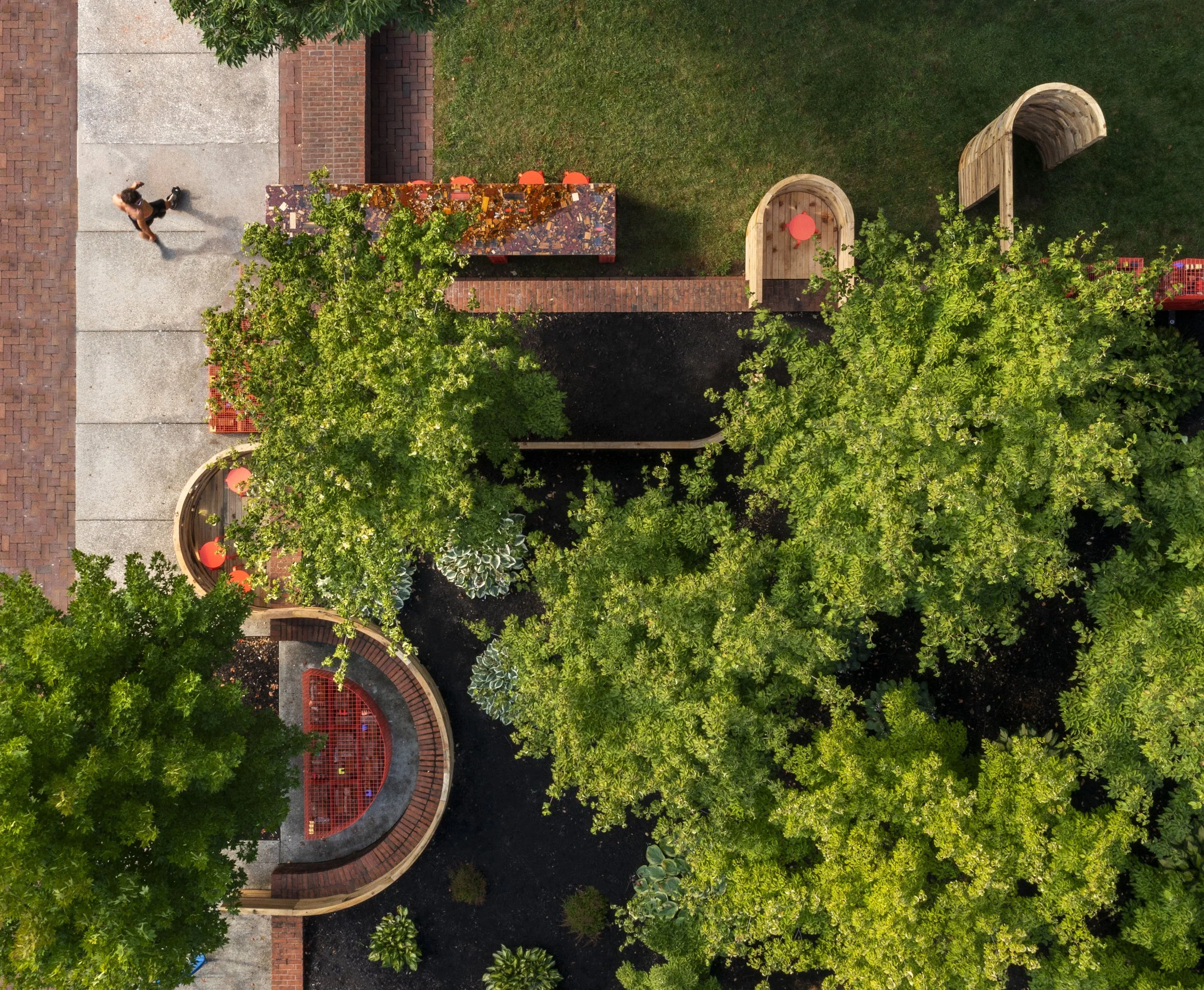
Katie MacDonald and Kyle Schumann - Sylvan Scrapple
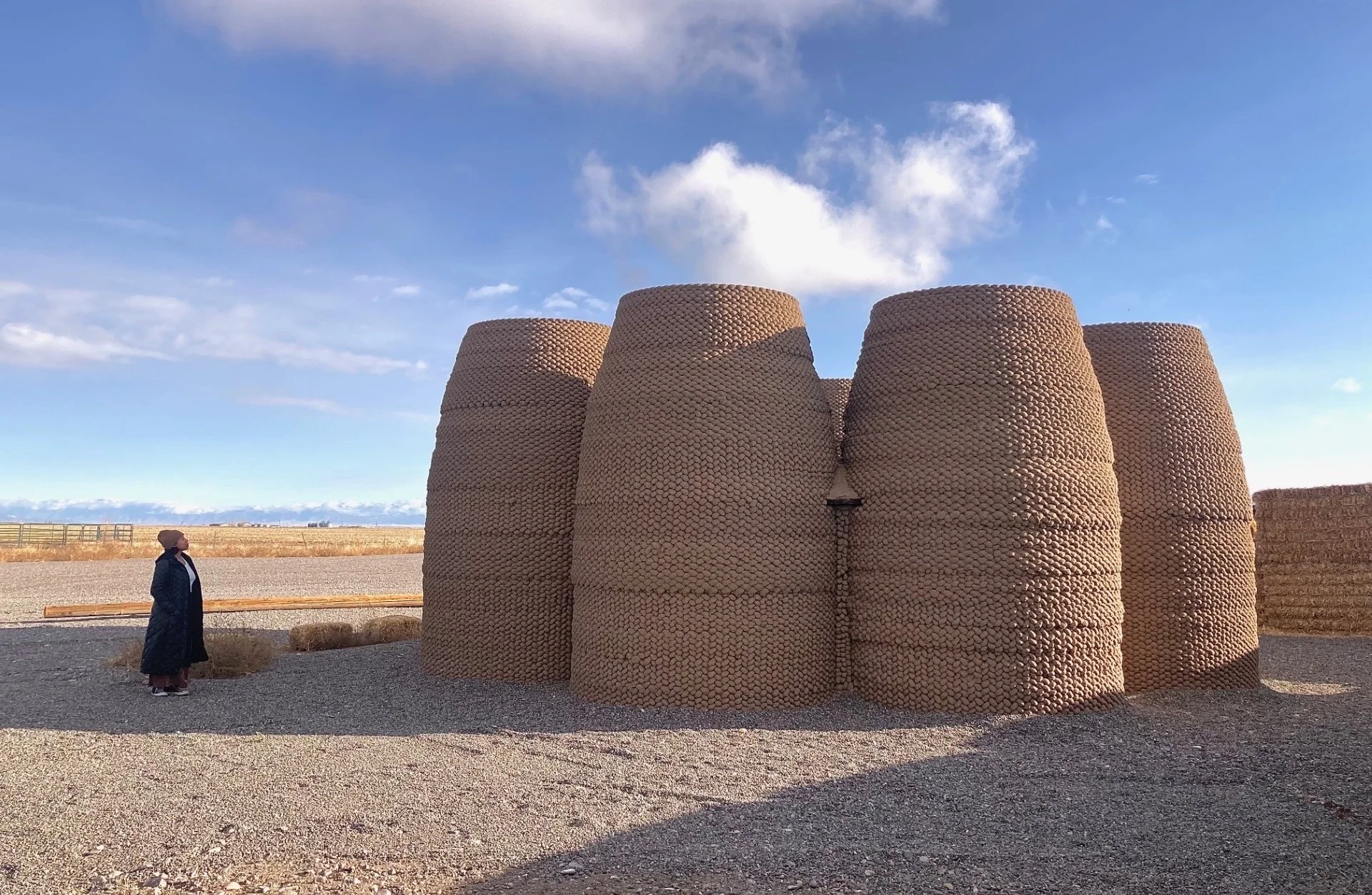
Ronald Rael - Casa Covida
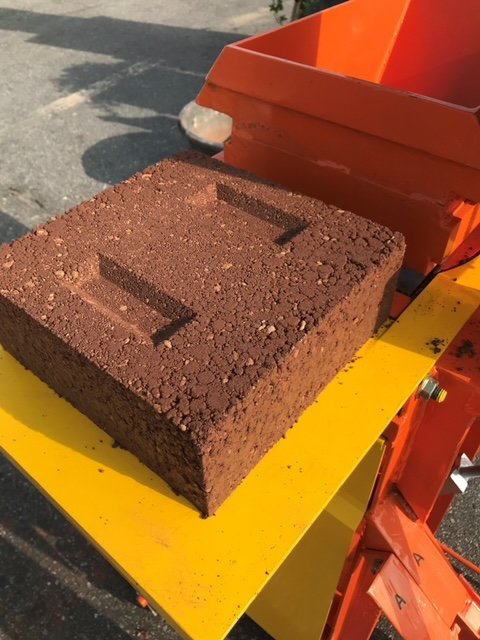
Compressed Earth Block made at public workshop, Frihamnsdagarna, Gothenburg - Johan Jönsson
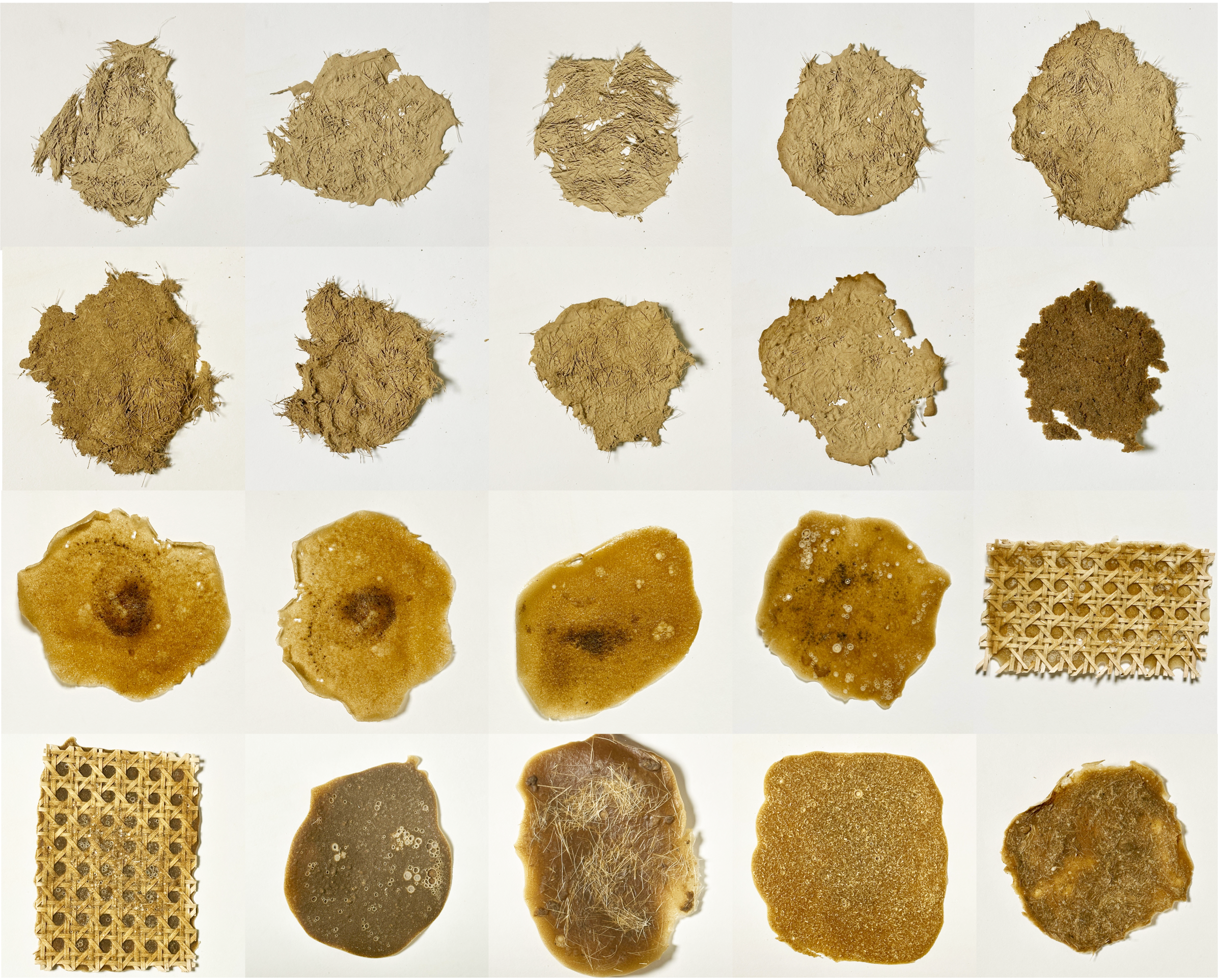
Xiyu Li, Jacky Tian, and Wenjing Xue, Exploration of Opacity in Earth-Fiber Bioplastics with Cane, 2023. Courtesy of Lola Ben-Alon and the Natural Materials Lab, Columbia GSAPP.
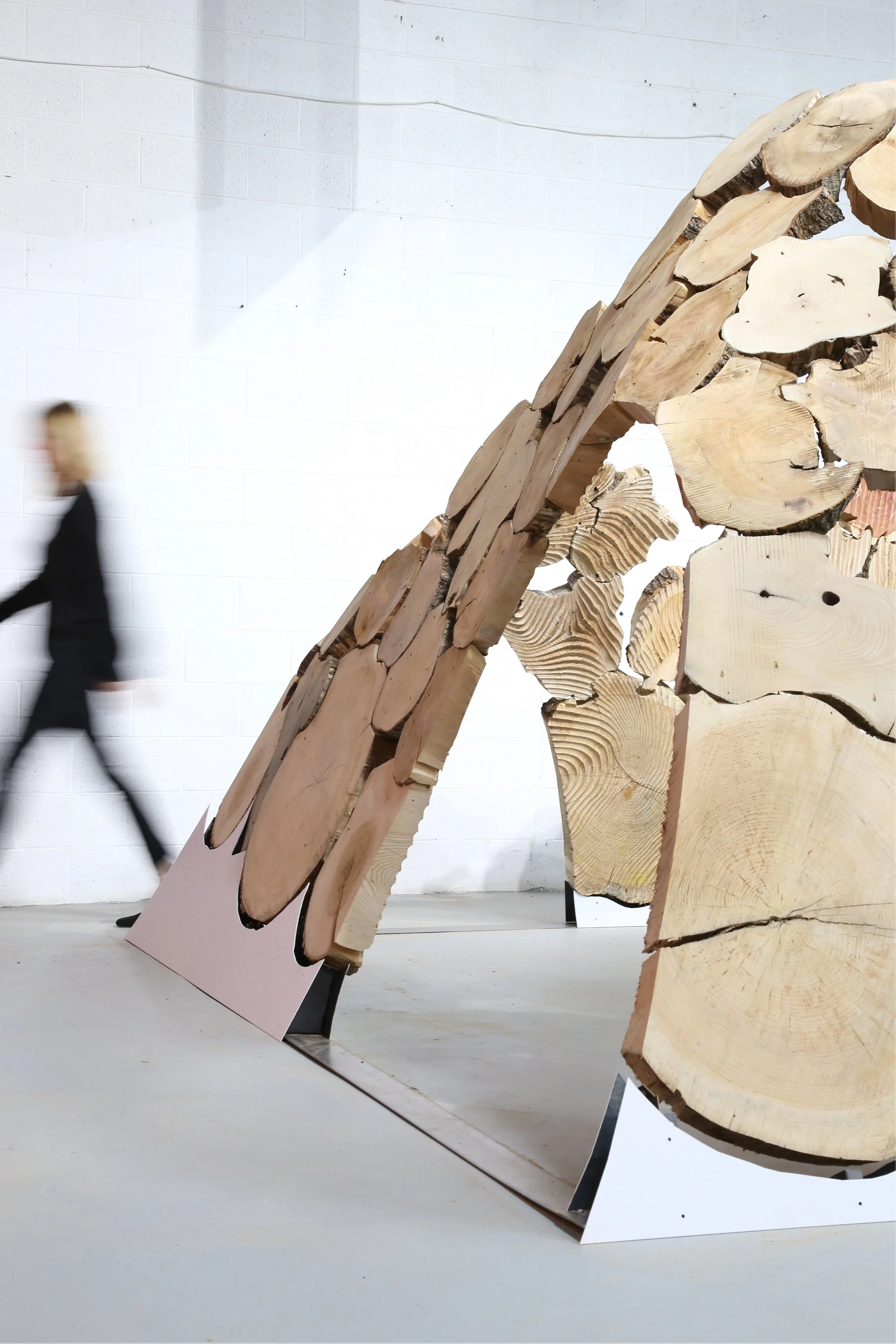
Katie MacDonald and Kyle Schumann - Tangential Timber
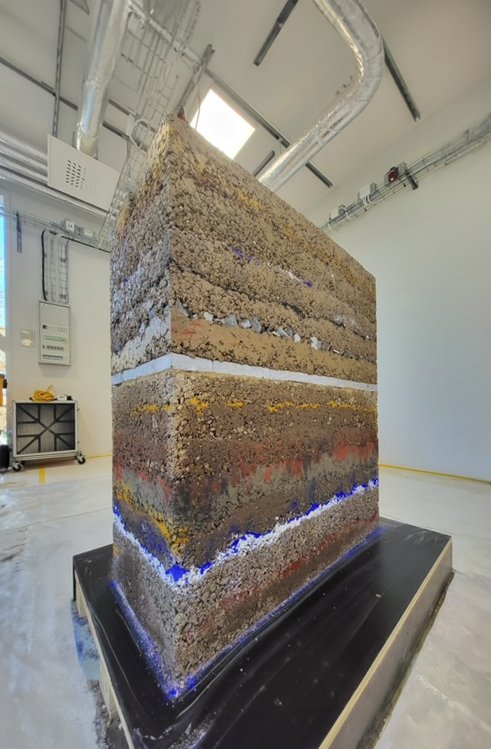
Rammed earth, produced at HSB Living Lab, Gothenburg to investigate the use of clay sourced from local construction site to produce pre-fab elements - Johan Jönsson
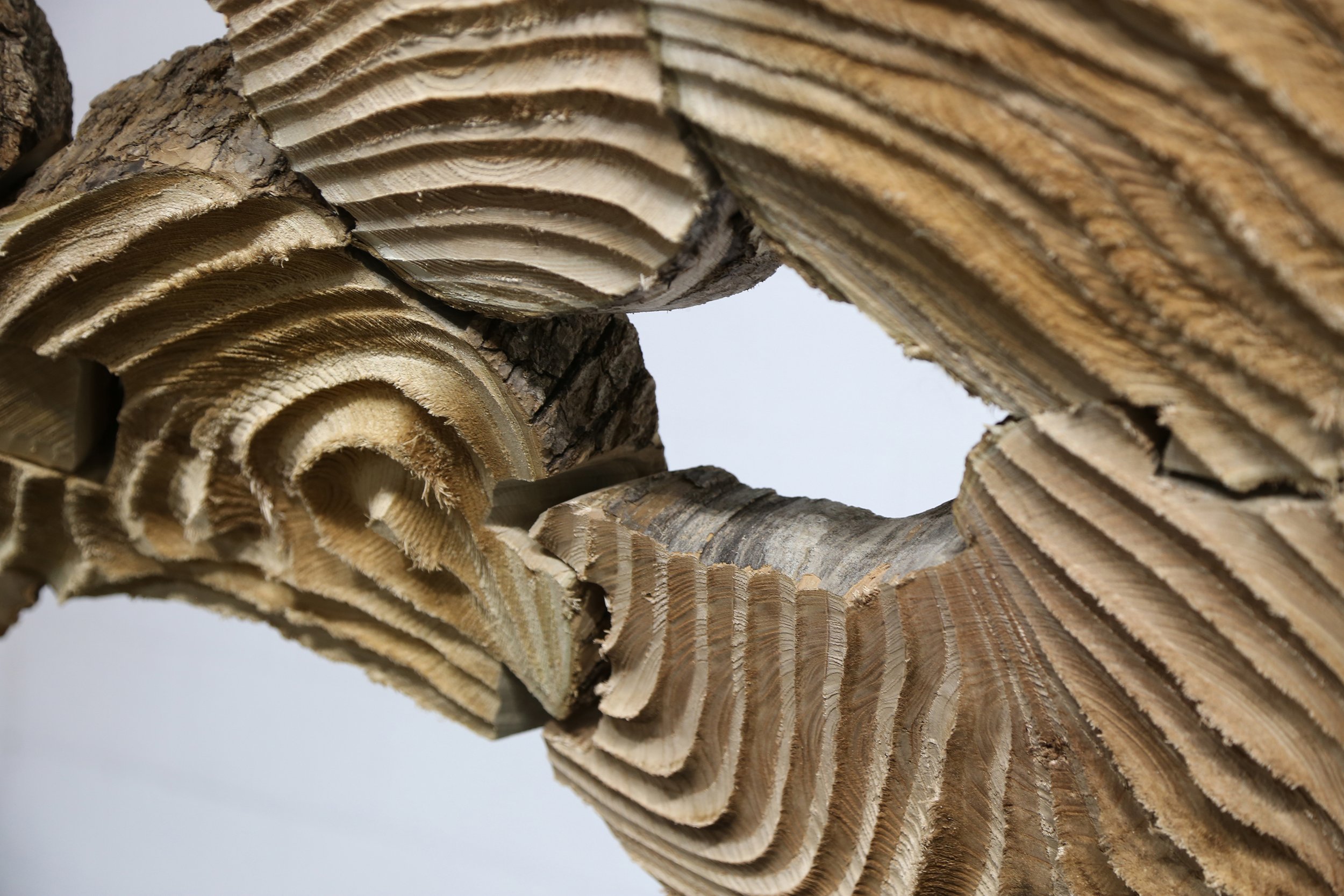
Katie MacDonald and Kyle Schumann - Tangential Timber
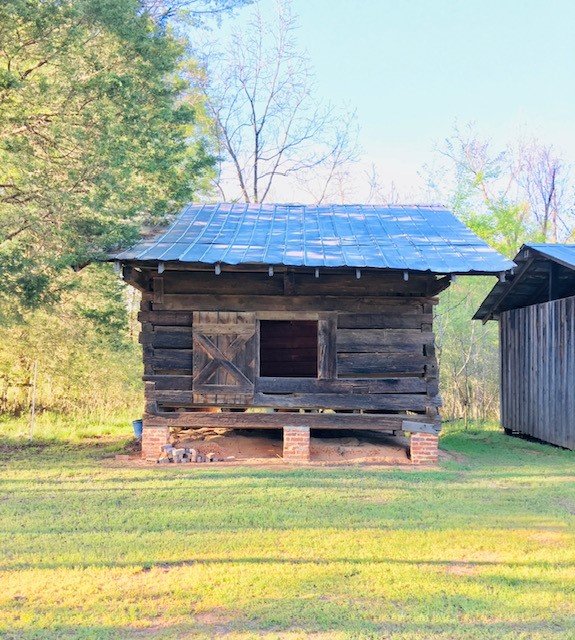
Ian Crawford - Corn Crib
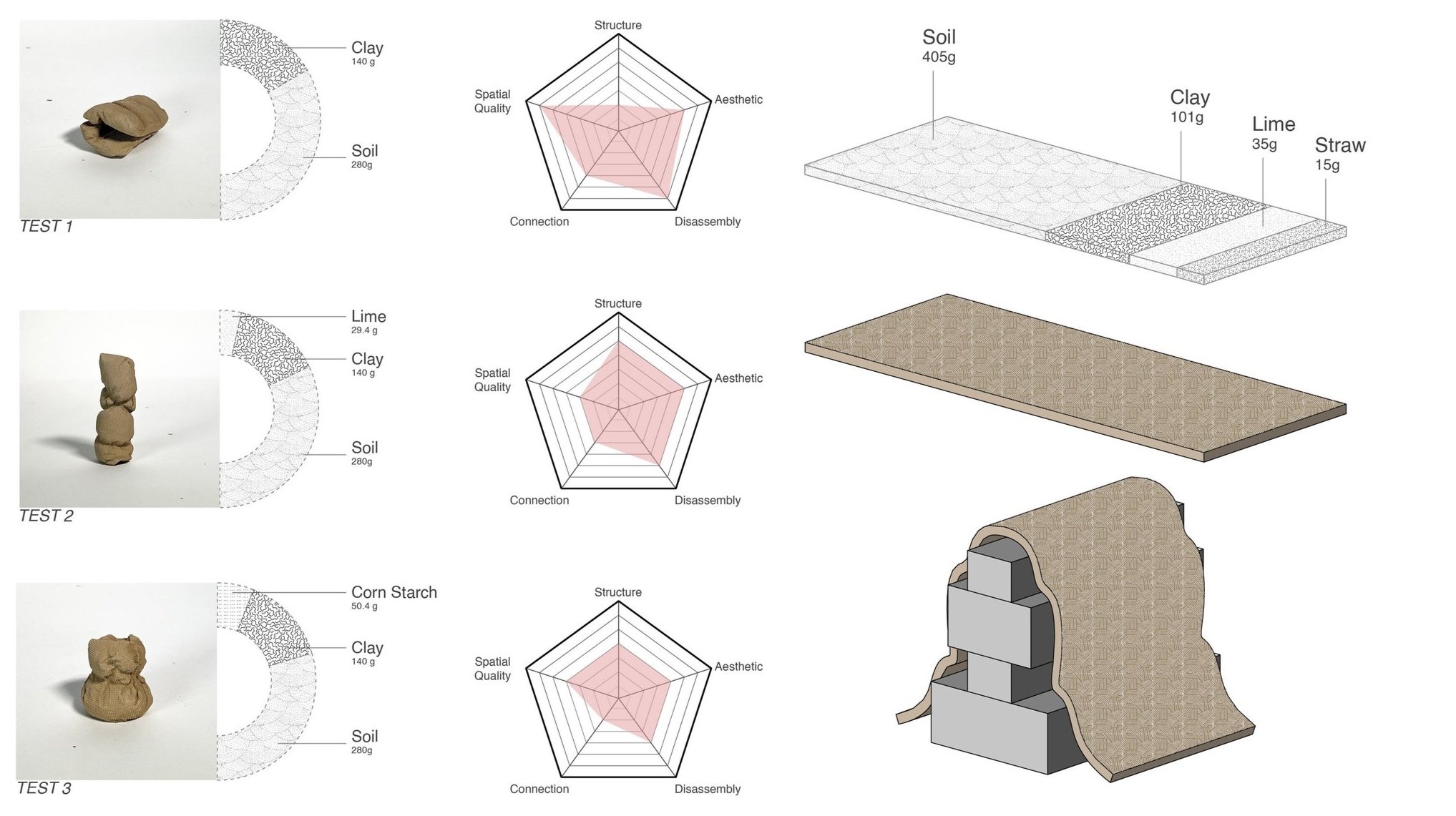
Zhuofei Tang, Yuli Wang, Zixiao Zhu, Nonwoven Fabrics for Cast Earth, 2023. Courtesy of Lola Ben-Alon and the Natural Materials Lab, Columbia GSAPP.
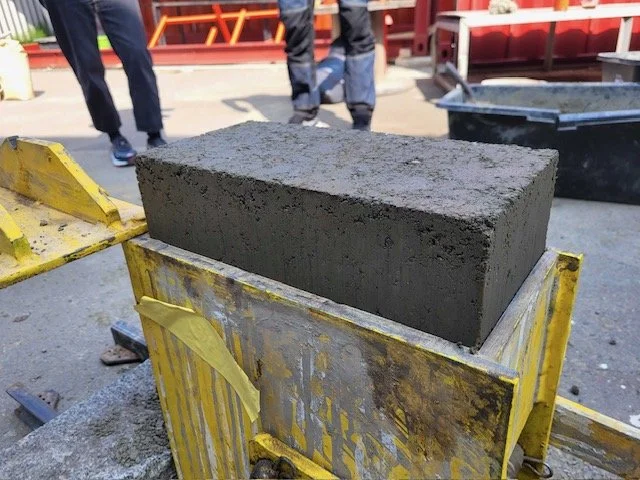
Compressed Earth Block made during workshop seminar on research project ReCirculate investigating using locally excavated left over earth masses from road construction to produce building blocks - Johan Jönsson
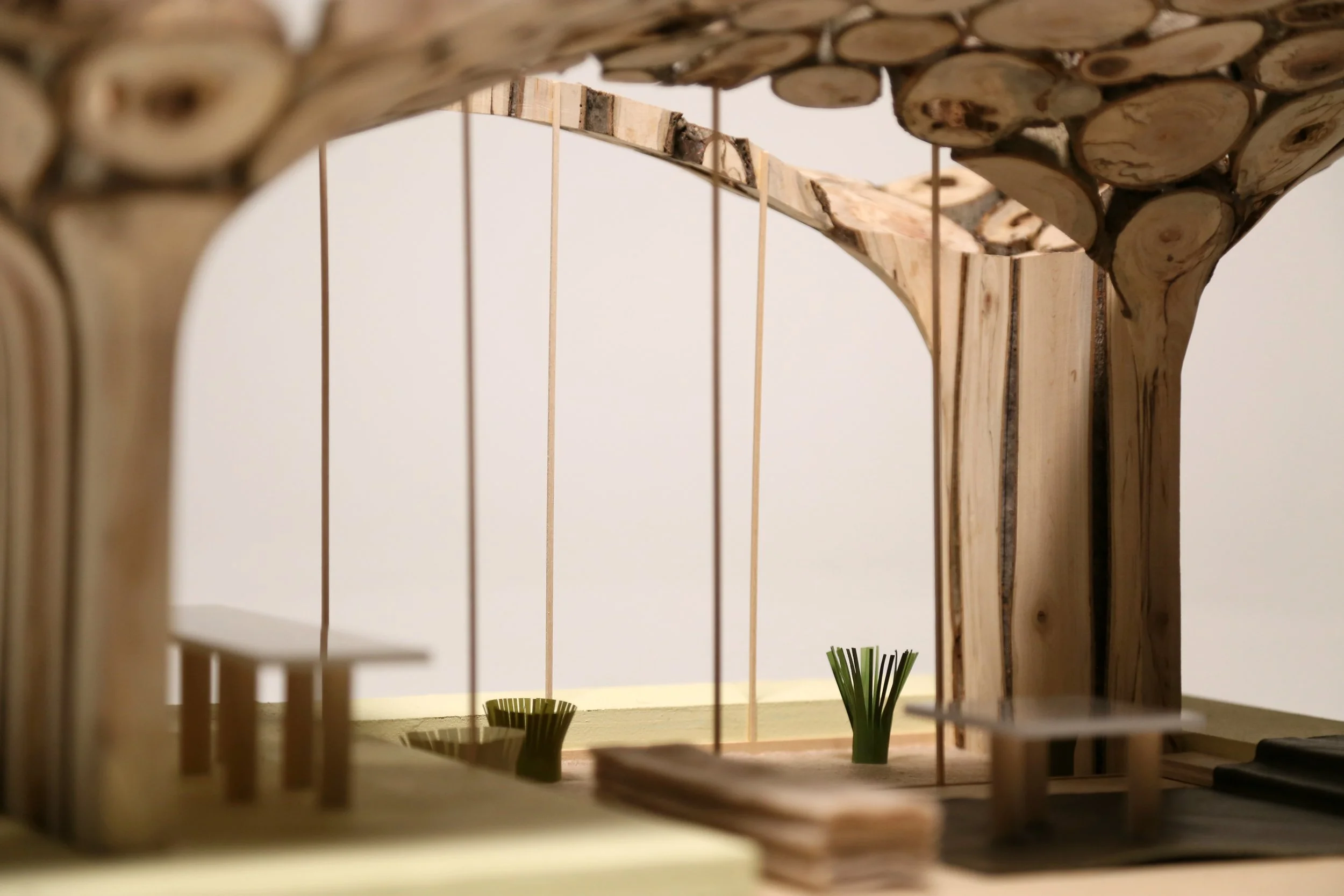
Katie MacDonald and Kyle Schumann - Living Rooms & Parlor Tricks
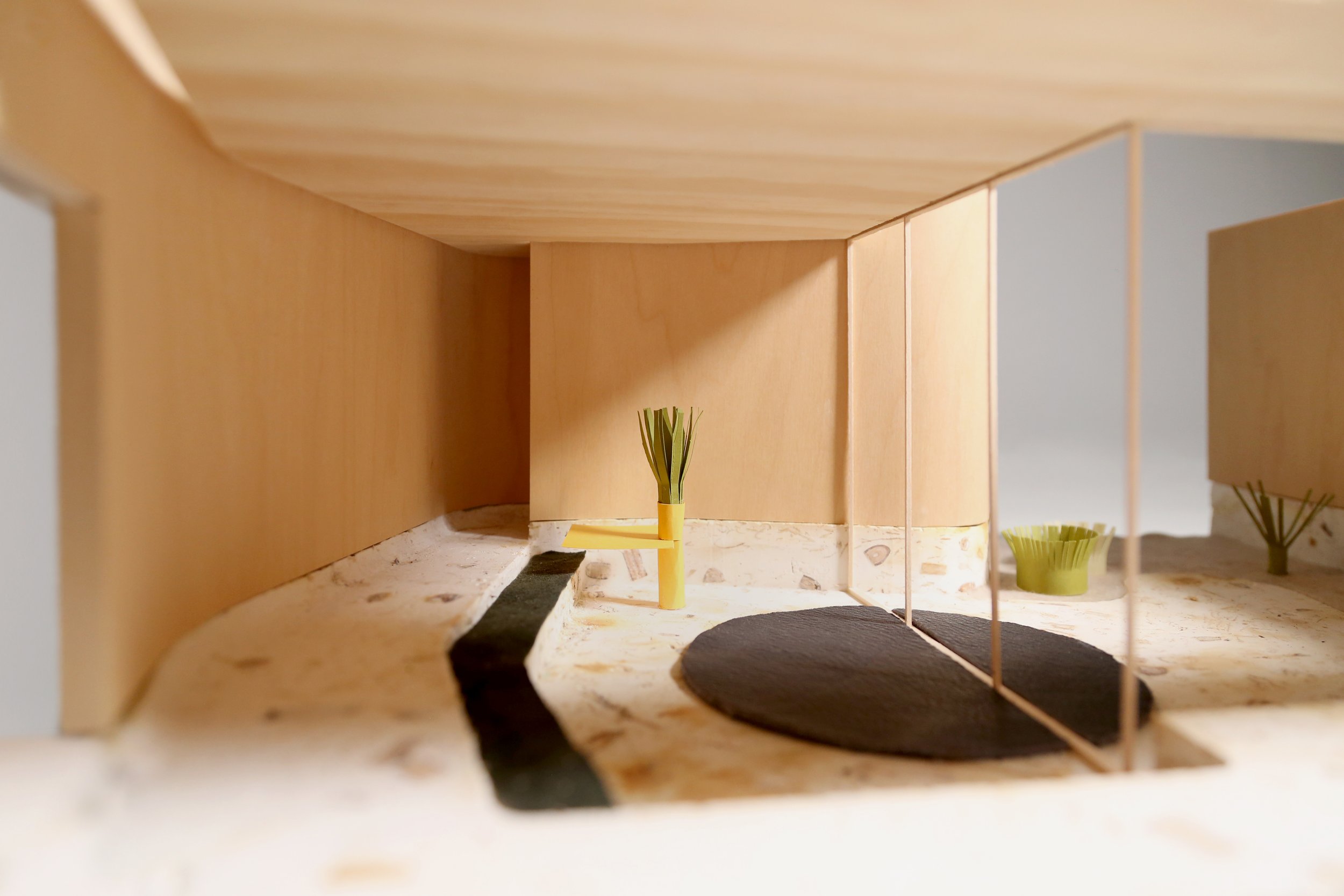
Katie MacDonald and Kyle Schumann - Living Rooms & Parlor Tricks
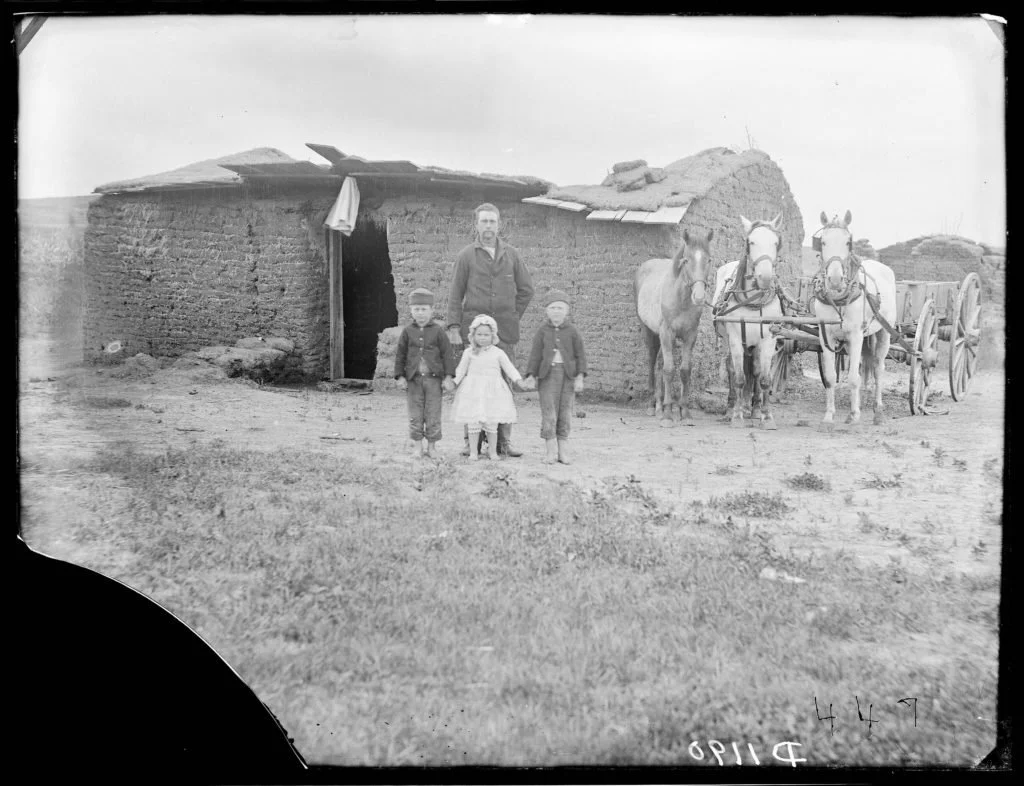
Sod construction by settlers in the prairie (Image source: Courtesy Nebraska State Historical Society, RG2608-1190, photographer: Solomon Butcher) - Lola Ben-Alon
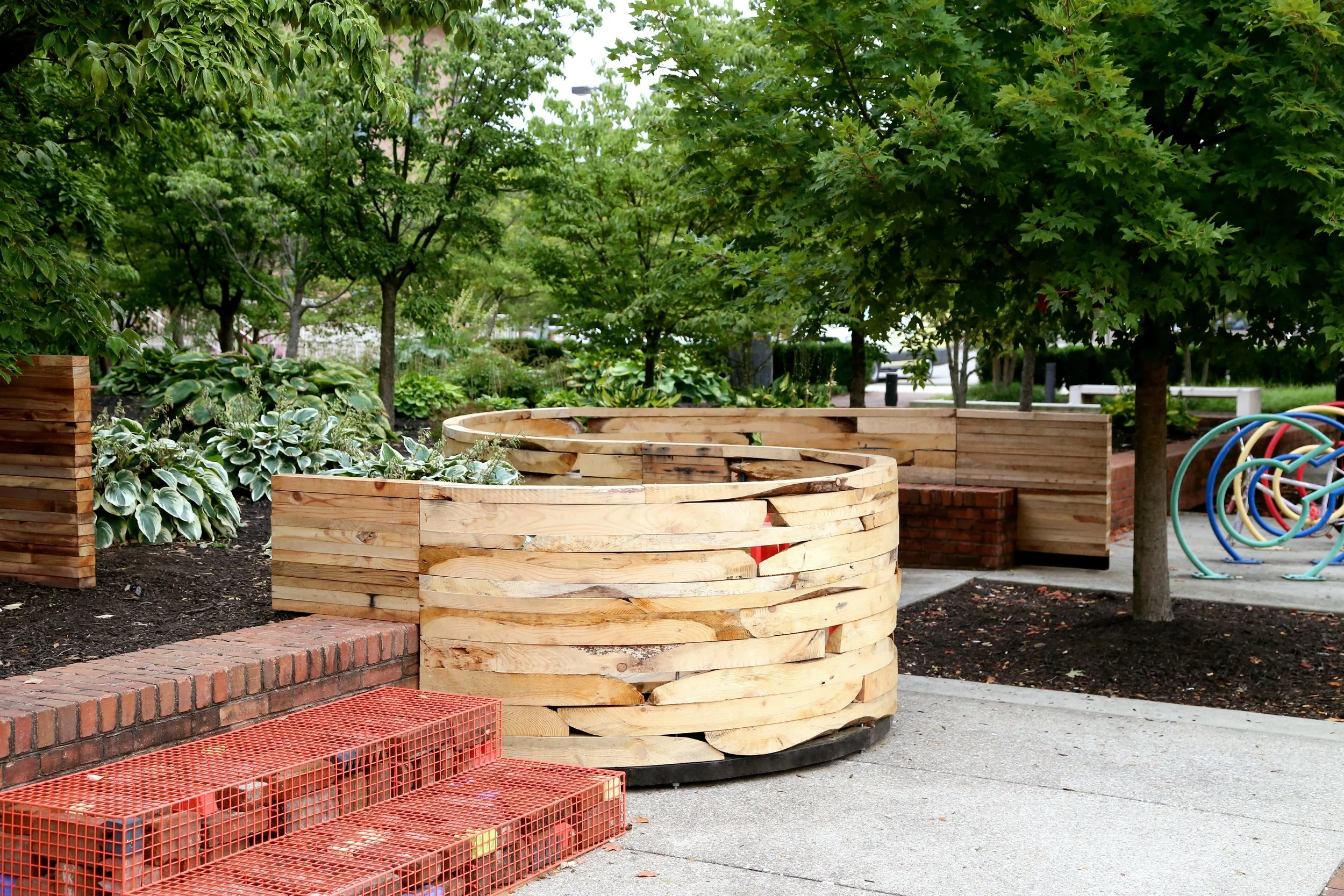
Katie MacDonald and Kyle Schumann - Sylvan Scrapple
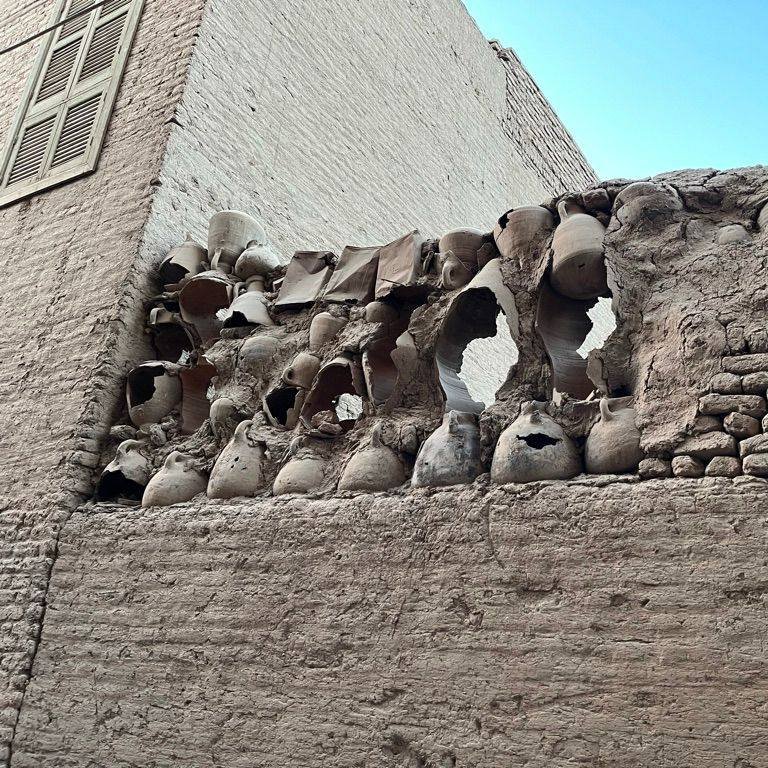
Wall pot infills, used as "pigeon houses" in Naqada, Egypt (Image source: Beit Zaman, the Old and Forgotten. Photographer: Luciana Carvalho) - Lola Ben-Alon
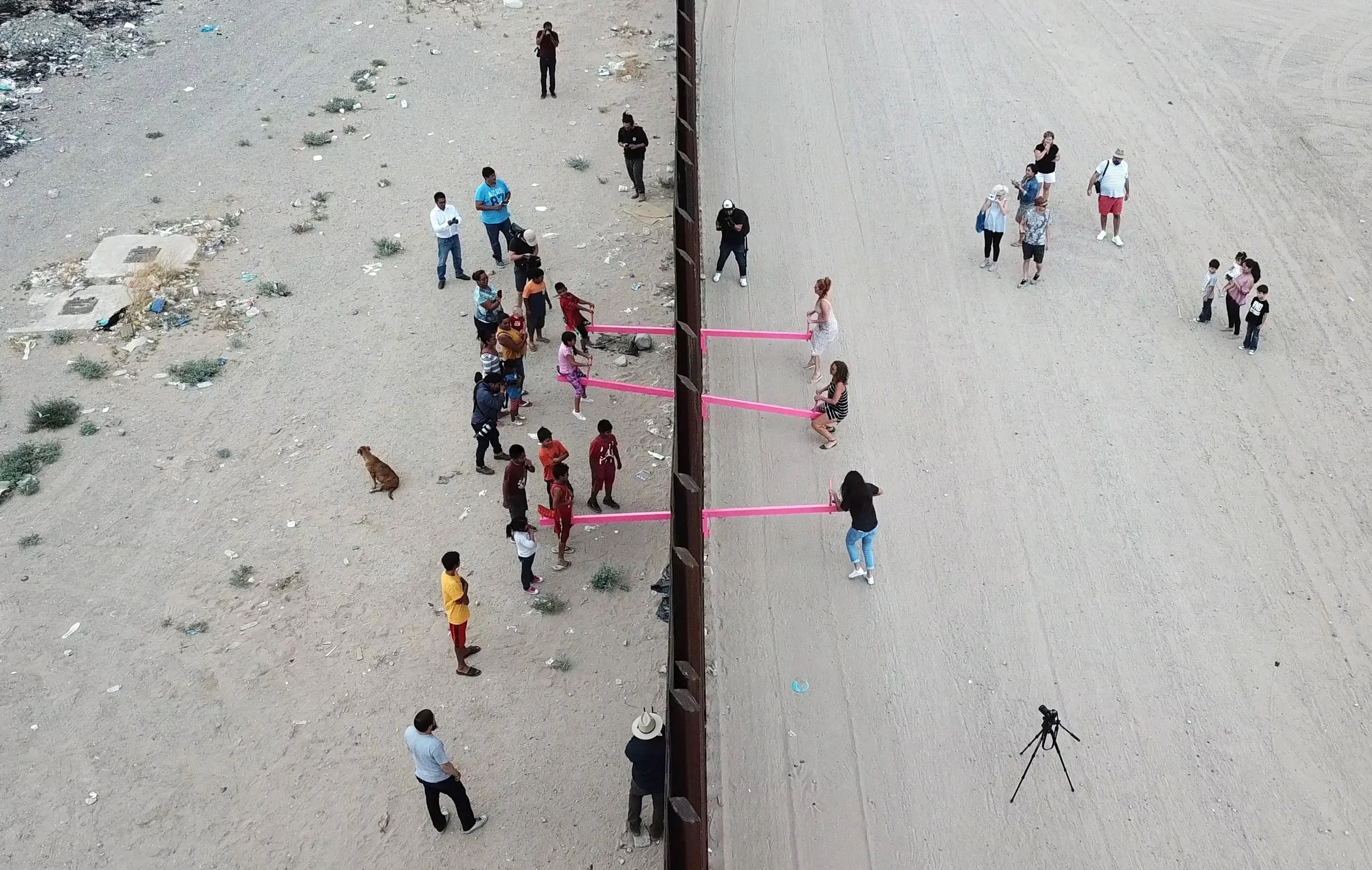
Ronald Rael - Border Teeter Totter
Sophisticated buildings will be made of mud.
“On the 40th anniversary of the Smithsonian Magazine, they announced the 40 things you need to know about the next 40 years. Number one on that list was: “Sophisticated buildings will be made of mud”. Emerging Objects explores these frontiers of technology and material using traditional materials (clay, water, and wheat straw), to push the boundaries of sustainable and ecological construction in a two phase project that explores traditional clay craft at the scale of architecture and pottery. The end goal of this endeavor is to demonstrate that low-cost and low-labor construction that is accessible, economical and safe is possible.” - Rael San Fratello
Ronald Rael, known for his teeter-totter installations at the US Mexico border and 3D-printing clay in situ spoke at FutureView’s 2024 Symposium about Vernaculars of the Expanded Borderlands
Collaborators
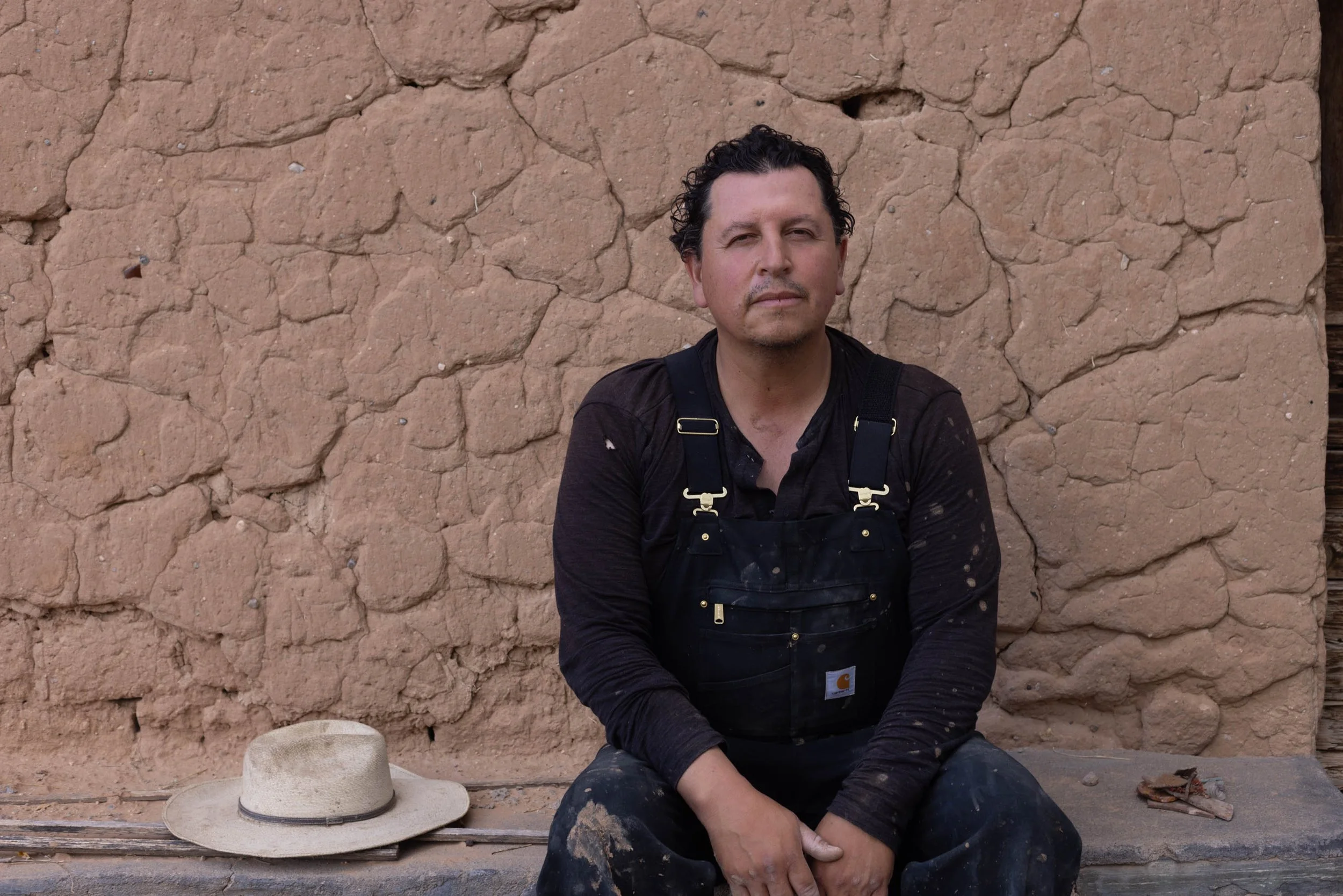
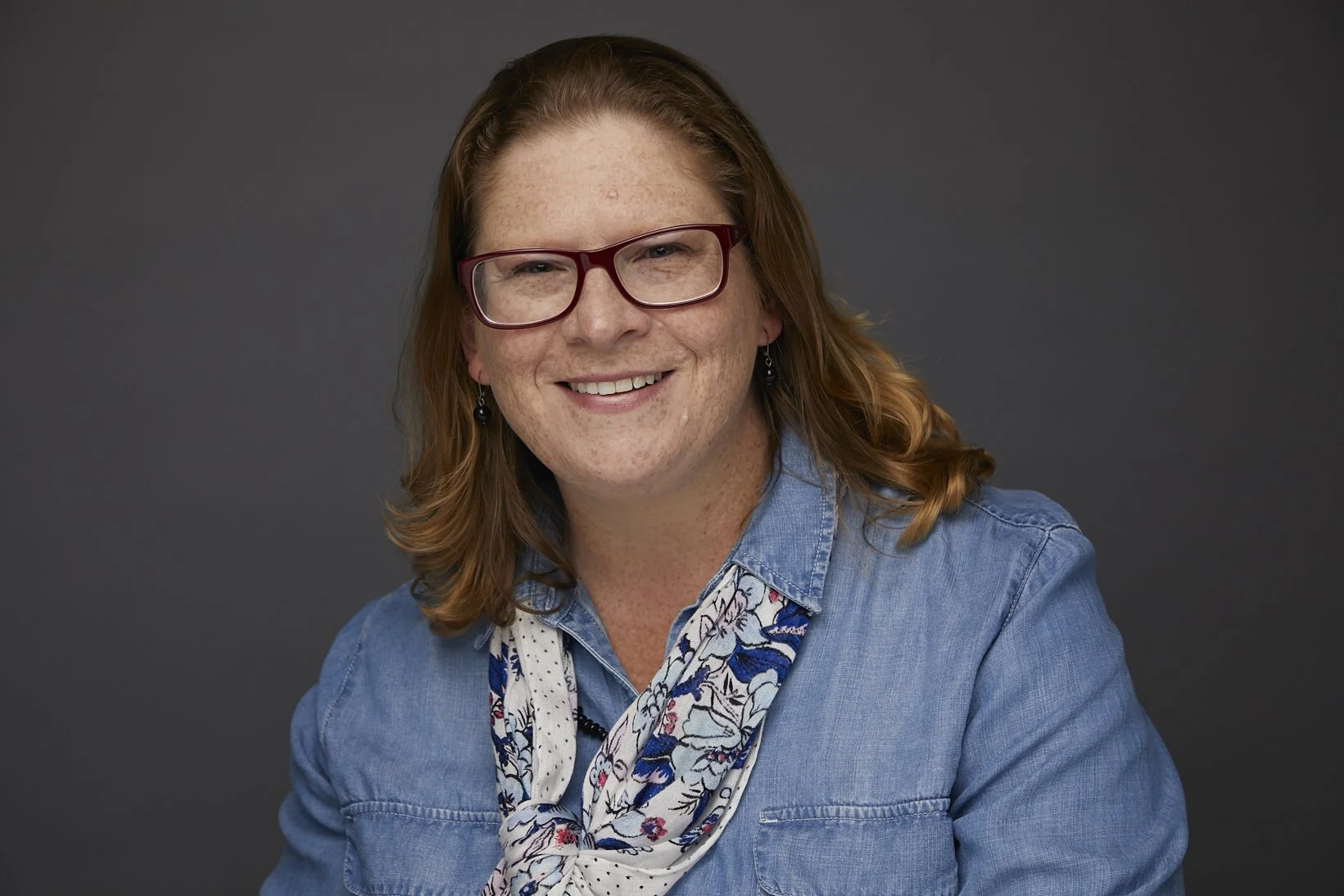
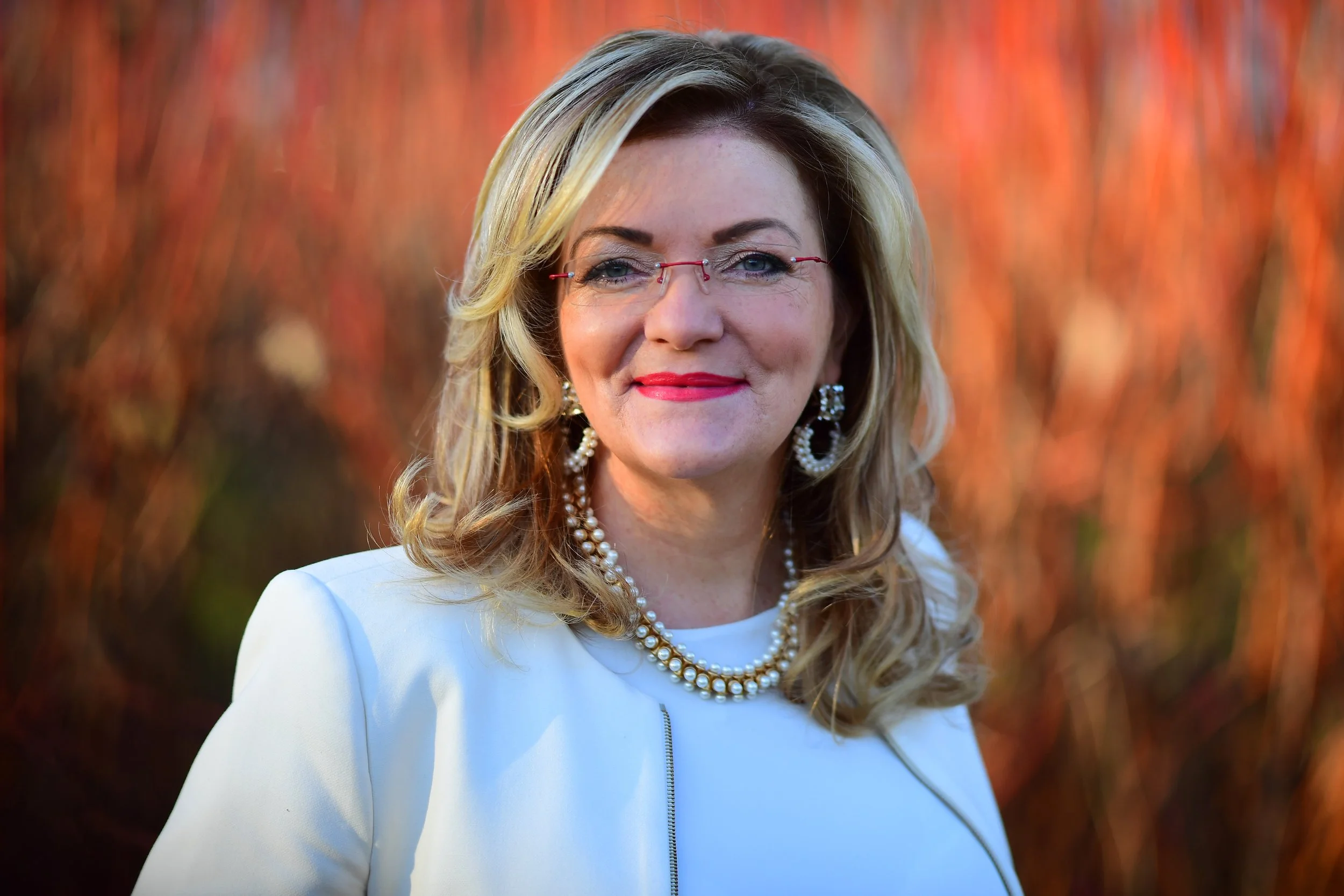

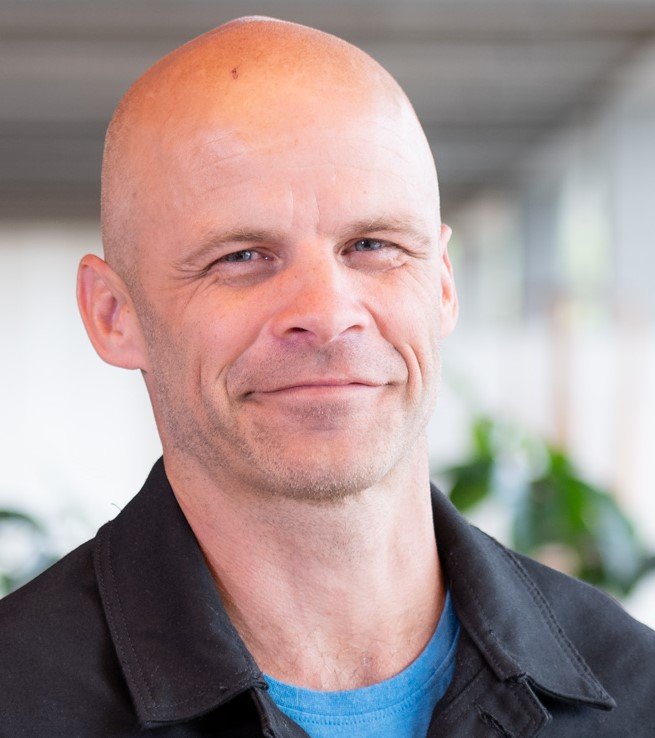
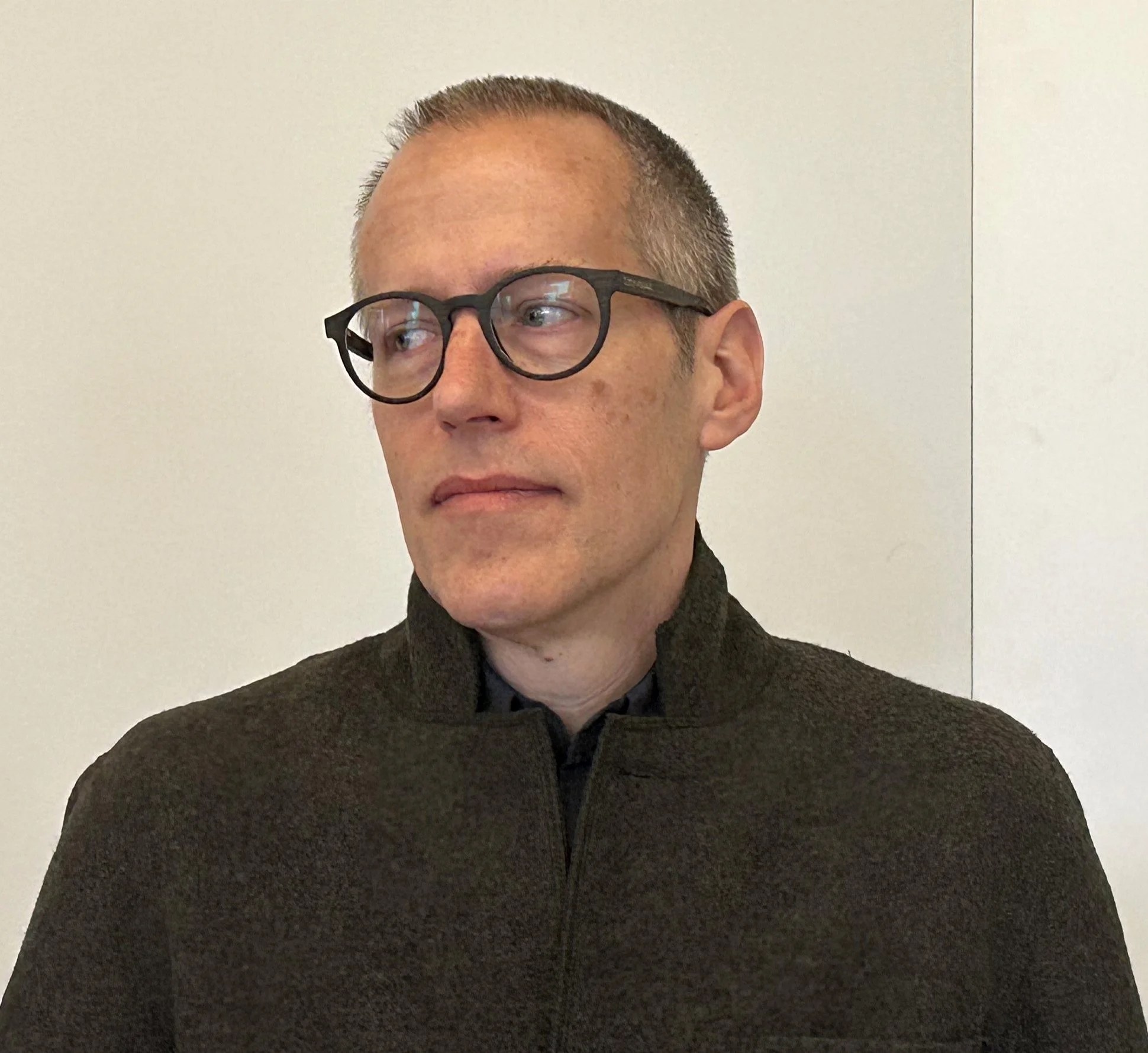
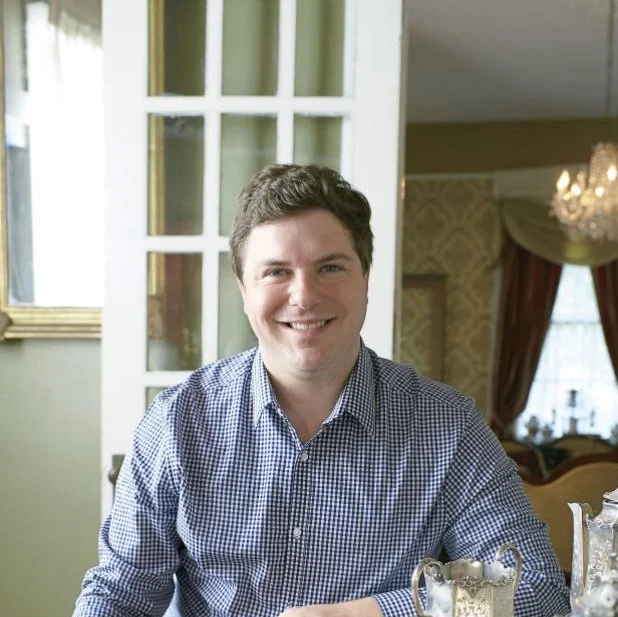
-
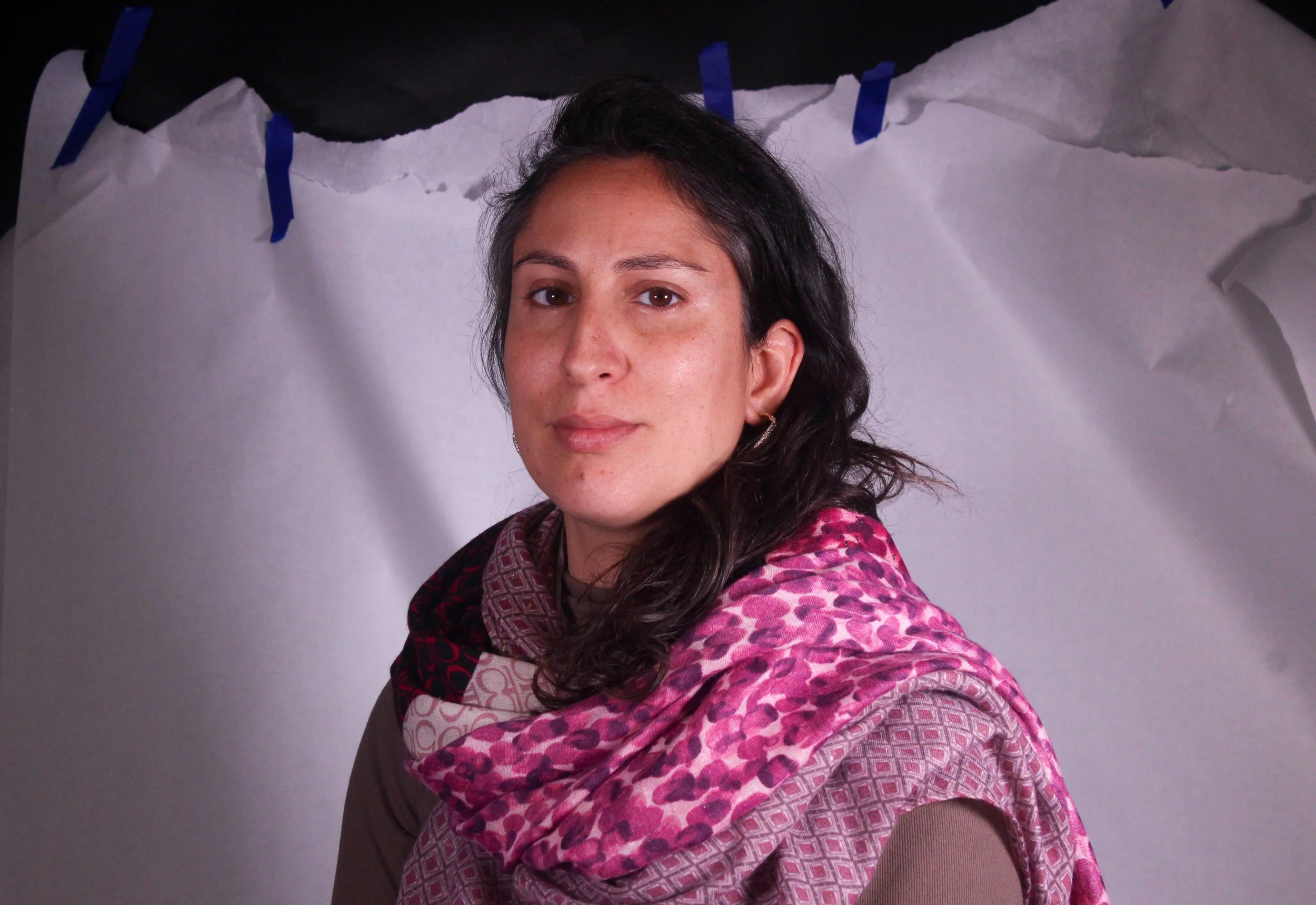
Dr. Matthew Adams, Ph.D., FACI, (He/Him/His) is an associate professor and co-director of the materials and structures (MatSLab) at the New Jersey Institute of Technology in Newark, NJ.
His research focuses on the sustainability, resiliency, and long-term durability of innovative cement-based materials. He also studies how governmental policies both support and hinder the adoption of sustainable practices in construction. He is a fellow of the American Concrete Institute, where he is currently chairman of ACI 323 Low Carbon Concrete Code Committee and member of several other committees; he is also a member of ASTM, International where he chairs the Subcommittee on Testing for Strength of Concrete. Dr. Adams has received research funding from the Port Authority of New York and New Jersey, New Jersey Department of Transportation, the American Concrete Institute Foundation, and the U.S. Department of Transportation. He received his undergraduate degree from the University of New Hampshire in 2006, and his Master of Science and Ph.D. degrees from Oregon State University in 2012 and 2015, respectively.
Lecture:
In Conversation with Johan Jönsson - Unfired Earth
-
Assistant Professor, Columbia University GSAPP
Lola Ben-Alon is an Assistant Professor at Columbia GSAPP, where she directs the Natural Materials Lab and the Building Science and Technology curriculum. She specializes in earth- and bio-based building materials, their life cycle, supply chains, fabrication techniques, and policy. Ben-Alon received her Ph.D. from the School of Architecture at Carnegie Mellon University, and she holds a B.S. in Structural Engineering and M.S. in Construction Management from the Technion, Israel Institute of Technology. At the Technion, Ben-Alon co-founded the Experimental Art and Architecture Lab. She has previously served as a curator and exhibition developer for Madatech, Israel’s National Museum of Science, Technology, and Space. Her work has been exhibited at the Indian Ceramics Triennial, Tallinn Architecture Biennale, Tel-Aviv Museum of Art, and the Israel Museum in Jerusalem, and published in Building and Environment, Journal of Green Building, and Automation in Lecture_Ben-AlonConstruction. Ben-Alon serves on the board of ACSA’s Technology | Architecture + Design, and Elsevier’s Renewable and Sustainable Energy Reviews.
Keynote Lecture:
Erroneous Imitations of Vernacular: A Material Kitchens Approach
-
Skanska, Senior Vice President of Sustainability
Myrrh Caplan is Senior Vice President of Sustainability for Skanska USA’s Building. In this role, she leverages Skanska’s global and domestic initiatives to protect our environment and ensure the resilience of the communities we build in. She oversees our robust Sustainability Team, located throughout the country, who help clients meet and exceed their sustainability goals/certifications, advance industry and client outcomes through innovation and research, and identify opportunities to create more value-add solutions. Myrrh and her team play an important role in helping Skanska meet its target of climate neutrality across its entire supply chain by 2045 and build healthier, more climate resilient communities.
Since joining Skanska as a Project Manager in 2005, Myrrh has helped shape Skanska’s national approach to sustainable building. She established the company’s first national Green Construction program and chaired Skanska’s first National Green Council. Throughout the past decade, she has managed multiple initiatives including carbon lifecycle analysis and efforts that benefit clients and the industry.
She was named a 2022 LEED Fellow by the U.S. Green Building Council (USGBC), one of twenty professionals from around the world recognized for their work in advancing green building practices. To date, Myrrh has advised on nearly 300 certified projects and those seeking LEED, Living Building Challenge, WELL, Envision, and other certifications. In 2023, she co-created the Associated General Contractors of America Task Force on Decarbonization and Carbon Reporting to address the challenges around reporting and reducing carbon emissions within construction. She sits on the board of mindfulMaterials, serves on several industry committees, and participates in research with key partners.
-
Interior Design Instructor, University of Alabama College of Human Environmental Sciences
Ian Crawford is a preservationist and design educator teaching at the University of Alabama. His courses include "Recording Historic Structures", "History of Interiors", "Architecture of America" and "Deep South Decorative Arts". Previously the Director or the Jemison Van de Graaff Mansion, an 1859 historic house museum, his passion for preservation and sustainable solutions overlaps in his work in material culture and the built environment. Crawford has worked both “hands on” in restoration and in grant writing and administrative roles with historic structures in New Orleans and Alabama.
Lecture:
Deep South Vernacular: Adapting to a Hot and Humid Climate
-
Business Development Coordinator, Henning Larsen, New York, NY Editorial Assistant & Archivist for Madame Architect
As an interdisciplinary practice working across architecture, landscape, urbanism, interior, graphic and lighting design, Henning Larsen challenges conventional practices to co-create, innovate, and cultivate desirable futures through design.
Founded in 1959 by Danish architect Henning Larsen whose legacy we carry today, we navigate the complex connections that bind together our built environment, ecological systems, and societies at large.
On our mission to meet tomorrow’s challenges, we believe that working and innovating across disciplines has never been more essential. Our design approach is born out of a process that challenges preconceived notions of the built environment and pushes the boundaries of what it can offer.
Henning Larsen works at the nexus of creativity and experimentation, always looking at the lasting impact on communities and their environments. Our team of architects, urban designers, landscape architects, thought leaders, strategists, natural scientists, and researchers, are at the forefront of new technologies which produce world-class design, creating places and spaces that shape the conditions for all species to thrive.
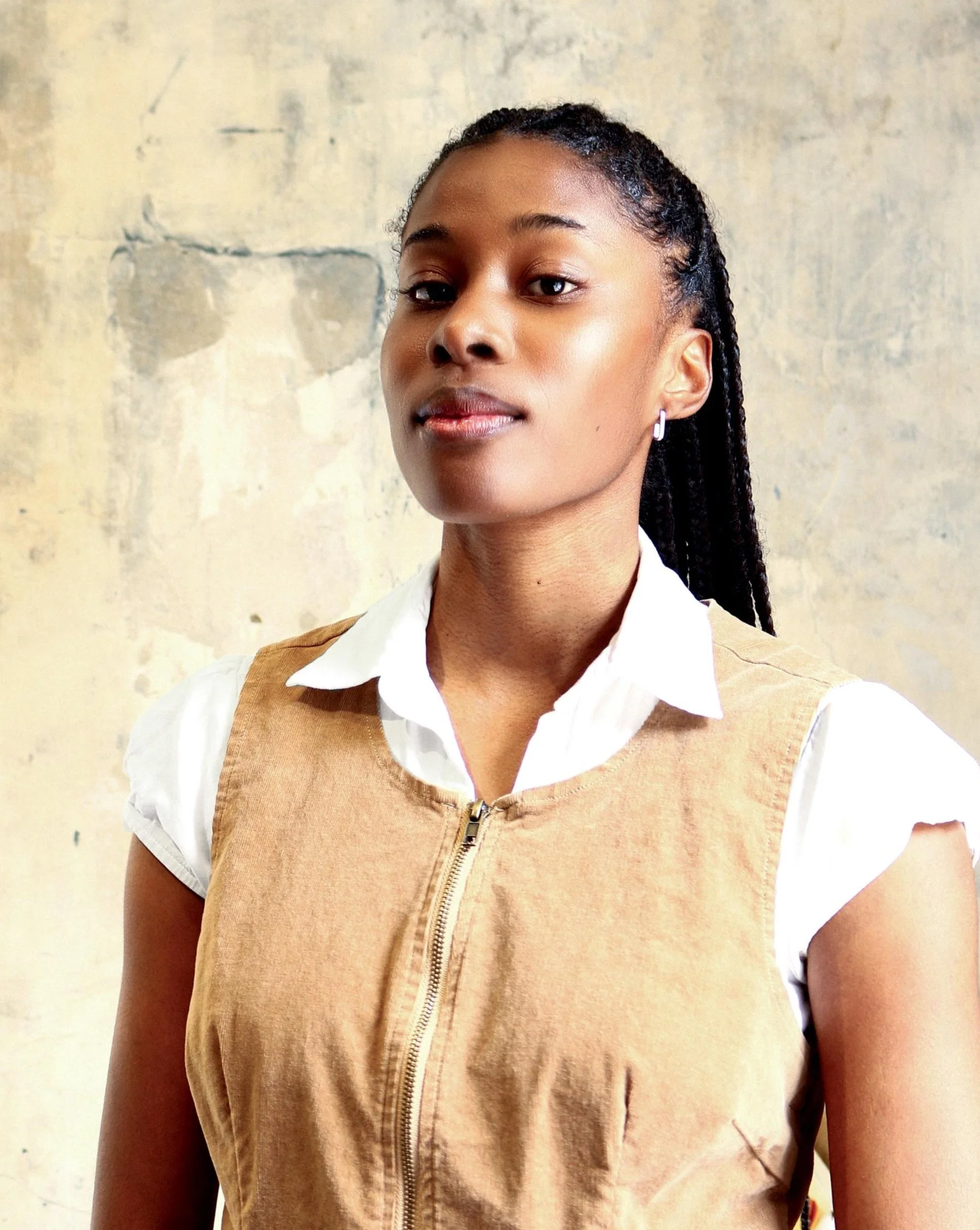
Sydne Nance is an architectural professional collaborating with architects, designers, urbanists, sustainability leaders, and strategists in Henning Larsen’s New York studio. She also is the Editorial Assistant and Archivist for Madame Architect, a digital magazine and media start-up celebrating the extraordinary women that shape our world. She holds a Bachelor of Architecture from the Hillier College of Architecture & Design at NJIT. Active in industry organizations, American Institute of Architects (AIA) and National Organization for Minority Architects (NOMA), she commits to improving the broader architectural community. In 2023, Sydne was the honored with the Associate of the Year award through the AIA New Jersey Chapter.
Driven by her passion for increasing diversity in the field of architecture and design, Sydne advocated for her peers through her involvement in the American Institute of Architecture Students. In her final year as an undergraduate, she served as chapter president of the AIAS chapter, and later was a juror for the AIAS Honor Awards. During her time in college, Sydne also competed for NJIT’s women’s track & field team, and became a member of Alpha Kappa Alpha Sorority, Incorporated, the first greek-letter organization to be established by African American women. She values mentorship and has mentored two cohorts of first year architecture and design students from her university’s Educational Opportunity Program.
-
Sustainability Specialist Materials and Transformation, White Arkitekter
Johan is a construction craftsman with a degree in cultural heritage conservation and advanced-level education in sustainable technology with a focus on the construction sector from the Royal Institute of Technology, KTH. He has experience in managing projects that involve the entire chain from the development of construction materials to the completion of the building structure. Johan's special expertise lies in working with local, low processed building materials with cultural awareness, as well as conducting environmental and recycling inventories of building materials. Johan also has many years of experience working in crisis and conflict zones. Johan is sustainability specialist in building materials with White Arkitektur in Stockholm, Sweden.
Lecture:
In Conversation with Matthew Adams - Unfired Earth
Workshop:
Local Soil Unfired / Compressed Earth Blocks
-
Dean + Professor at Parsons School of Design, Founding Partner LTL
David J. Lewis is a principal of LTL Architects (Lewis.Tsurumaki.Lewis) and the Dean of Parsons School of Constructed Environments. Through his research, teaching, and practice, David pursues fundamental transformations in the discipline of architecture brought about by regenerative material systems to address climate change. At Parsons he is Professor of Architecture and has served as Director of the Master of Architecture program, the Director of Design Workshop program, and on the faculty since 2002. He leads courses on design in the age of embodied carbon and is committed as Dean to reframing pedagogy around climate justice.
Marking their second quarter century of practice, the Principals of LTL Architects—Paul Lewis, Marc Tsurumaki, and David J. Lewis—have refocused the practice to embrace and expand carbon sequestering materials through the seduction of architectural representation and work. This redefinition of the firm coincided with the release of Manual of Biogenic House Sections (ORO Editions, 2022), which articulates how plant-based and low-carbon materials can produce a profound rethinking of section in houses. The book is a follow up to Manual of Section (Princeton Architectural Press, 2016) which has now been printed in 7 languages.
Since founding in 1997, LTL Architects has been recognized for combining design innovation with unconventional pragmatism, including selection as the 2019 Firm of the Year Award from the AIA NY State, and induction into the Interior Design Hall of Fame. LTL Architects is the recipient of 14 AIA awards, and 6 Interior Design Best of Year awards, and their work is in the permanent collections of the MoMA and SFMoMA. They are authors of the monographs, Intensities (Princeton Architectural Press, 2013), Opportunistic Architecture (Princeton Architectural Press, 2008) and Situation Normal....Pamphlet Architecture #21 (Princeton Architectural Press, 1998), and the 2020 online publication, Manual of Physical Distancing (Issuu).
David has previously taught at Cornell University, University of Pennsylvania, University of Limerick, and Ohio State University; and holds the honorary position of Adjunct Professor of Architecture at the University of Limerick, Ireland. David received a Bachelor of Arts in Political Science from Carleton College, a Master of Arts in the History of Architecture & Urbanism from Cornell University, and a Master of Architecture from Princeton University.
Lecture:
In Conversation with New Frameworks - Biobased Building from Equity to Aesthetics
-
AIA, Assistant Professor & Director of Before Building Laboratory, University of Virginia; Cofounder of After Architecture
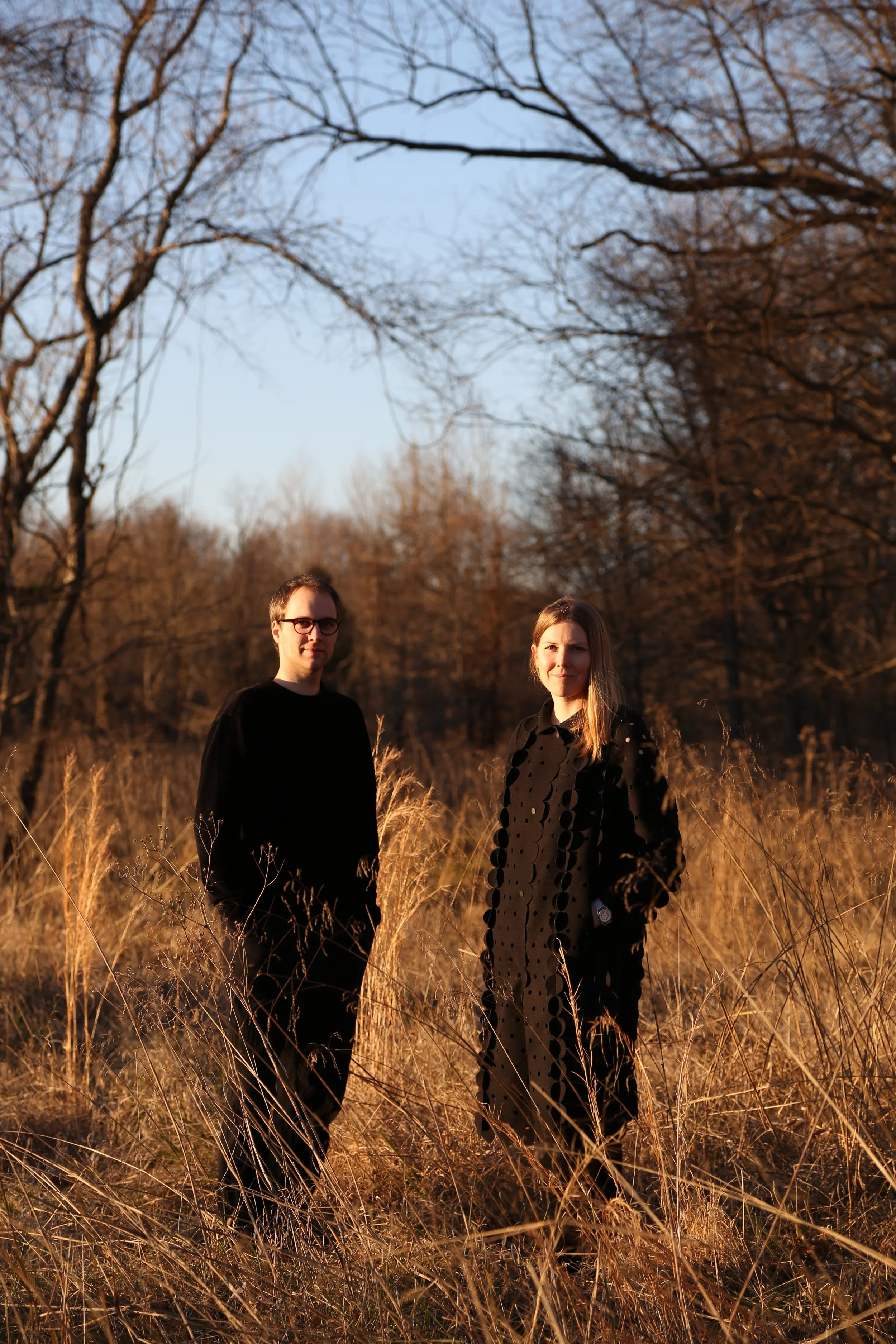
Katie MacDonald is a licensed architect in Virginia and Cofounder of After Architecture, an architecture firm named to convey the built environment's impact on cultures and ecologies. Recent works include a memorial in Washington D.C., and installations for the Oslo Architecture Triennale, the Knoxville Museum of Art, and Exhibit Columbus.
MacDonald is Assistant Professor of Architecture at the University of Virginia where she co-directs the Before Building Laboratory, leading material research and development. MacDonald pioneers new biomaterial assemblies, with the aim of creating building material systems that sequester carbon and reduce construction’s contribution to the environmental crisis. Current projects focus on rapidly renewable biomaterials, including wood, bamboo, grass, various invasive plant species, and hemp. In 2023, MacDonald was awarded the Architectural League Prize for Young Architects + Designers and named Educator of the Year in Metropolis Magazine's Planet Positive Awards
Lecture:
Material Inventories & Adaptations
Workshop:
Grown Intelligence / Robotic Sawmills
-
New Frameworks Natural Design Build
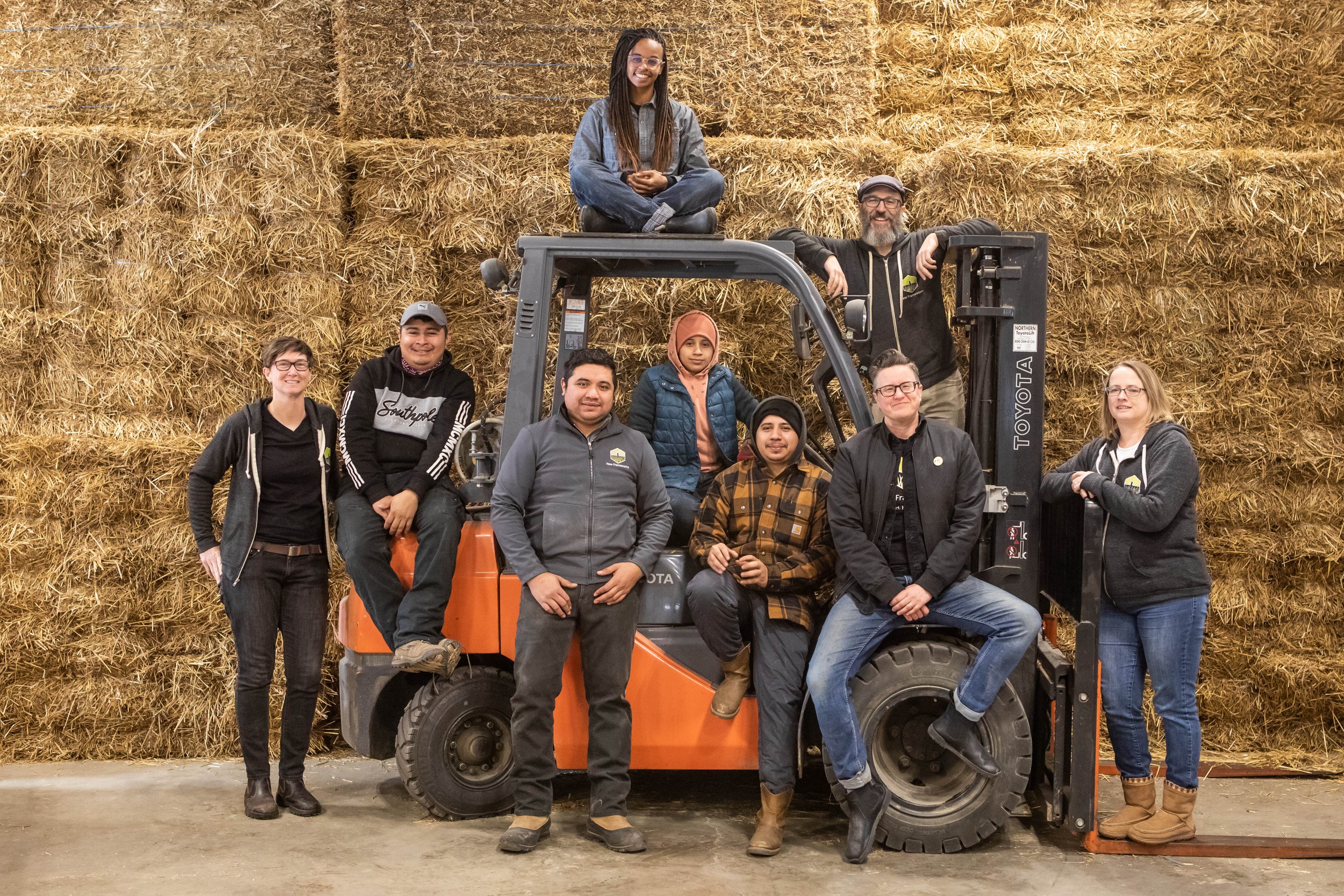
New Frameworks is a multi-racial, women-, queer-, and trans-owned worker cooperative committed to a kinder sort of building. Locally sourced natural materials like native hardwood, clay, and stone soften our impact on the planet. Our ecologically-minded building practices and comprehensive, full-service systems design make our buildings at home on earth while providing state-of-the-art comfort and efficiency for the people that rely on them. Founded i 2006, New Frameworks practices high performance natural building towards the construction of climate justice and regeneration in our region.
Ace McArleton is Co-CEO and Director of Vision & Strategy at New Frameworks. Ace founded New Frameworks in 2006 to offer design/build services that blend natural materials and methods, with high-performance design, and with a focus on climate regeneration and social justice. Ace is also co-founder of the NESEA Diversity Caucus and Anti-Racism Action Group; was a longtime instructor & board member at Yestermorrow Design/Build School; is co-author of The Natural Building Companion (Chelsea Green, 2012; and led New Frameworks' conversion to a worker cooperative in 2016. Ace is passionate about finding practical, regional solutions to build healthy, just communities now and into the future.
Jacob Deva Racusin is Director of Building Science and Sustainability with New Frameworks, a Vermont-based worker-owned cooperative. As a consultant, designer, and educator, Jacob merges his passions for ecological stewardship, relationship to place, and social justice. Jacob is an Embodied Carbon Analyst and BEAM Trainer and Co-Developer with Builders For Climate Action. Jacob has authored two books and numerous articles, and instructs and consults on topics of building science and climate impact. An active member of the Carbon Leadership Forum, Jacob is engaged in code and policy development, professional training, and other initiatives supporting the transition to a more just industry.
Lecture:
In Coversation with New Frameworks - Biobased Building from Equity to Aesthetics
Workshop:
Structural Straw Panels: Field to Frame
-
Dr Sandra Izabela Piesik, PhD MA AADipl BA(Hons)Arch AIA NACRAB ARB, is the General Editor of HABITAT: Vernacular Architecture for a Changing Climate.
Piesik is an award-winning New York-based architect, author, and scientist specializing in a diverse range of subjects from art and design to the implementation of global sustainable legislation, nature-based solutions, innovation, and contemporary adaptation of traditional knowledge. She is the founder of 3 ideas consultancy and specializes in the technology transfer of biomaterials in particular date palms.
Her diverse global engagements range from leading research and development projects, international lectures, judging competitions, and the nomination of awards.
Dr Piesik is a stakeholder and network member of several UN and EU organizations including UNFCCC: the Nairobi Work Programme (NWP), the Paris Committee on Capacity Building (PCCB), the Climate and Technology Centre & Network (CTCN), and the EU’s New European Bauhaus initiative. She is also an affiliate at the SETI Institute, California AIR Program.
Her published work includes: ‘HABITAT: Vernacular Architecture for a Changing Climate’ compact editions published in May 2023 by Thames & Hudson UK and Shufusha;
‘HABITAT: Vernacular Architecture for a Changing Planet’ (2017, Thames & Hudson, Abrams Books, Flammarion, Editions Detail
Lecture:
Future Perspectives on Emerging Habitats
-
Professor of Architecture, Eva Li Memorial Chair in Architecture Berkeley College of Environmental Design
Rael is a trained architect, activist, design technologist, multi-generational rancher, and traditional builder. His work blurs the borders between architecture, art, technology, land-based practices, and social justice. He writes books, forms startup companies, advocates for human rights at the U.S.–Mexico border, creates software, invents novel materials and new forms of construction, and designs buildings as an applied research enterprise. My work often combines indigenous and traditional materials and processes with contemporary technologies to speak to the contrasts, contradictions, and complexities of othered subjects, ranging from people to materials, and places, in contemporary society. His work can be found in the permanent collections of the Museum of Modern Art, The Cooper Hewitt Smithsonian Design Museum, The London Design Museum, LACMA, The San Francisco Museum of Modern Art, and the Renwick Smithsonian American Art Museum. He is the Chair of the Department of Art Practice and Eval Li Memorial Chair in Architecture at the University of California Berkeley.
Lecture:
Vernaculars of the Expanded Borderlands
-
Assistant Professor & Director of Before Building Laboratory, University of Virginia; Cofounder of After Architecture
Kyle Schumann is Cofounder of After Architecture, an architecture firm named to convey the built environment's impact on cultures and ecologies. Recent works include a memorial in Washington D.C., and installations for the Oslo Architecture Triennale, the Knoxville Museum of Art, and Exhibit Columbus.
Schumann is Assistant Professor of Architecture at the University of Virginia where he co-directs the Before Building Laboratory, leading robotic fabrication research and development. Schumann seeks to advance the accessibility of digital fabrication, leveraging democratized technologies as well as inventing and building low-cost ground-up fabrication and imaging systems. His work spans analog processes in woodworking, metalworking, casting, ceramics, and textile production, to advanced and novel digital fabrication technologies, robotics, and machine visioning systems. In 2023, Schumann was awarded the Architectural League Prize for Young Architects + Designers and awarded the Design Build Award from the Association of Collegiate Schools of Architecture.
Lecture:
Material Inventories & Adaptations
Workshop:
Grown Intelligence / Robotic Sawmills
-
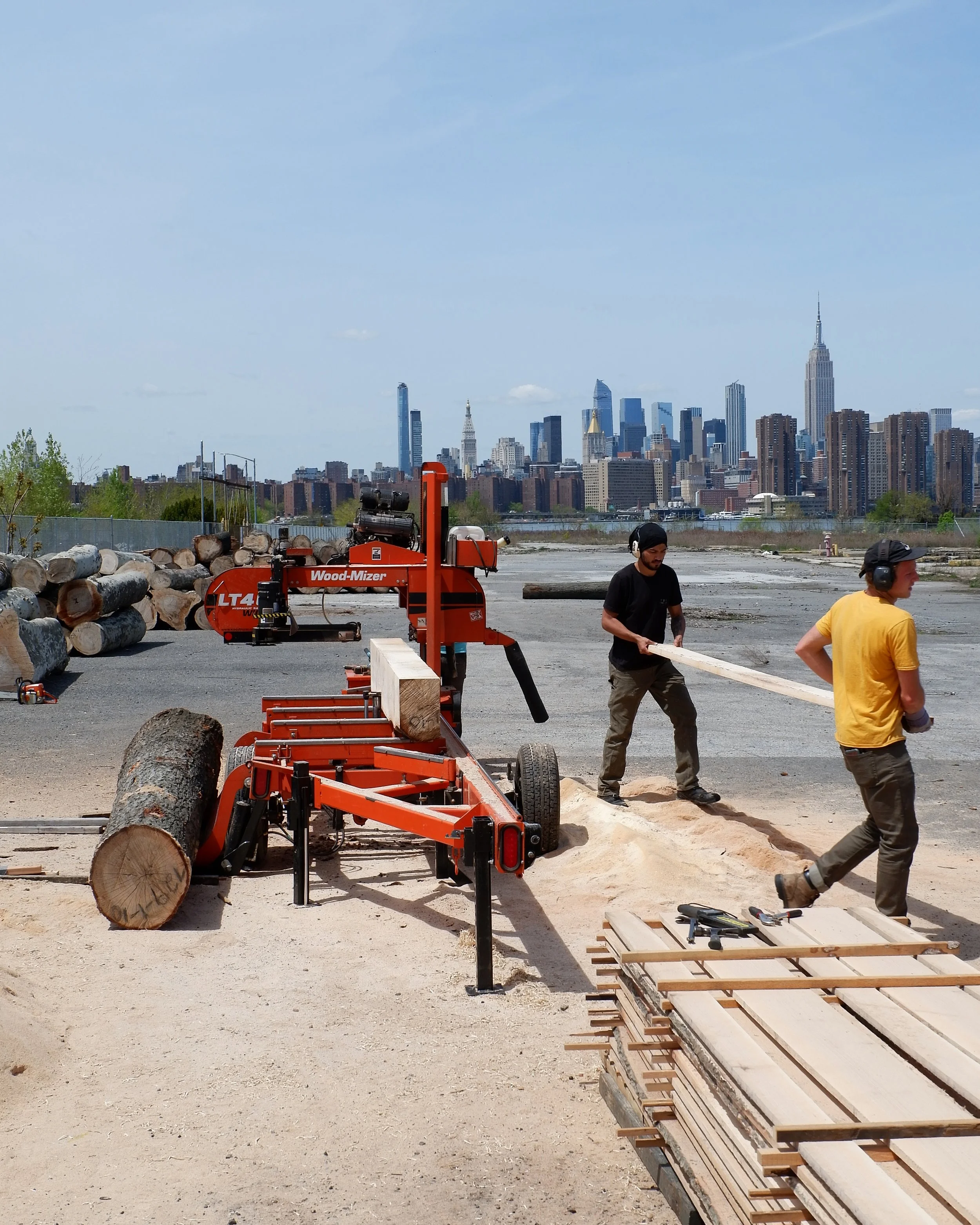
Tri-Lox is a Brooklyn-based circular design, fabrication, and manufacturing practice that works with regionally, sustainably sourced wood. The mission-driven company sources local wood in ways that are regenerative—a research-driven approach that prioritizes reuse and forest health.
Wood is natural, renewable, and solar-powered. As it grows, it captures carbon while providing clean air, clean water, habitat for wildlife, and cultivating biodiverse ecosystems. As a building product, it is strong, versatile, honest, and true – a means of connecting people with nature and bringing authenticity to a project. Tri-Lox’s approach to wood sourcing is reactive rather than extractive. This means the company responds to conditions in the world and identifies sustainable practices that are in concert with the environment instead of simply meeting market demand.
Tri-Lox began this work over a decade ago, reclaiming wood from deconstruction projects and transforming it into custom furniture, eventually evolving into architectural scale projects. The company’s integrated model includes research, design, hand & digital fabrication, and manufacturing. Tri-Lox offers a collaborative process that responds to the unique context of each project. This approach considers not just what is required to complete the project, but also the design goals and long-term impacts of the work. At the core of the company’s integrated model, sustainability drives the process, from sourcing to final product.
Lecture:
In Conversation with Katie MacDonald & Kyle Schumann - Material Inventories and Adaptations
-
Thornton Tomasetti is a global engineering and design firm known for pioneering innovation in structural design, sustainability, and building performance. With offices worldwide, the firm collaborates across disciplines—structure, façade, sustainability, and resilience—to create buildings and infrastructures that are both efficient and expressive. From the world’s most iconic skyscrapers to experimental research in carbon reduction and circular construction, Thornton Tomasetti continues to shape the future of the built environment through design, data, and deep technical expertise.
Schuyler Daniel is an architectural designer, historian, and preservationist, with a strong interest in the intersections of energy, cultural heritage stewardship, and contemporary design. Currently Senior Designer at Thornton Tomasetti, she leads conditions assessments, produces construction documentation, and supports construction administration for restoration and rehabilitation of landmark and existing buildings—primarily in New York City. She holds a Bachelor of Architecture from the University of Tennessee and a Master of Science in Historic Preservation from Columbia University. Beyond her role at TT, she is an adjunct professor at Kean University’s College of Architecture and has worked with the National Park Service on historic inventory assessments at Mount Rainier National Park. Schuyler is drawn to working in the overlapping zones of past and future—using design thinking to navigate cultural, material, and environmental tensions.
-
Sean A. Gallagher is Principal and Director of Sustainable Design at Diller Scofidio + Renfro (DS+R). DS+R is a design studio whose practice spans the fields of architecture, urban design, installation art, multi-media performance, digital media, and print. With a focus on cultural and civic projects, DS+R’s work addresses the changing role of institutions and the future of cities. DS+R's cross genre work has been distinguished with TIME’s "100 Most Influential People" list and the first grant awarded in the field of architecture from the MacArthur Foundation
As the Director of Sustainable Design, Sean has played a critical role in the visioning process of much of the studio’s work including the US Olympic and Paralympic Museum, Dissona Live-Work Complex, and Google Pier 57. He led the David Rubenstein Forum at the University of Chicago, which was awarded 2022 Best Tall Tower Worldwide by the International Council of Tall Buildings and Urban Habitats. Currently, he is leading Madrid’s Renazca urban forest project in Spain and the Pardee Center at Boston University, DS+R’s first all timber tower.
Sean has also been adjunct faculty at Columbia University Graduate School of Architecture, Planning, and Preservation since 2010 and has presented his research on industrialism, urbanism, and sustainable design at national and international conferences, including the Green Building Council's “Buildgreen Argentina + Expo International Conference," and the International Congress of Bioclimatic Architecture “High Technology and Sustainable Design” in Mexico City.
Trilox
Johan Jönsson
Matthew Adams
New Frameworks
David J. Lewis
Katie MacDonald
Kyle Schuman
Ian Crawford
Lola Ben-Alon
Sandra Piesik
Sydne Nance
Henning Larsen
Ronald Rael
Myrrh Caplan
Are you interested in finding ways to shape truly sustainable architecture?
Us too.
Conversations
01
Erroneous Imitations of Vernacular: A Material Kitchens Approach
Lola Ben-Alon, Columbia Architecture, Natural Materials Lab
Myrrh Caplan, Vice President of Sustainability, Skanska North America
Re-centering natural, minimally processed materials in architecture through research at the Natural Materials Lab, Lola Ben-Alon contrasts energy-intensive, toxic engineered materials with a definition of natural based on locality, low processing, non-toxicity, and community engagement, then shows geo-bio mixes (clay + plant fibers) across techniques like light-straw-clay, rammed earth, and cob. Including a “material kitchen” approach to mix design; 3D-printable earth-fiber composites; a radiant-heated clay-fiber prototype; lightweight, weave-inspired tiles; basket-like printed shells. She investigates erroneous imitations of the vernacular—Styrofoam igloos, concrete yurts, UK mundic houses, and cement render over Hausa earth plaster—paired with student counter-studies - felt-making, non-toxic aggregates, natural pigments. Ben-Alon underscores tactile, hands-on knowledge, vernacular wisdom, and care as foundations for regenerative, equitable building.
02
Future Perspectives on Emerging Habitats
Sandra Piesik
Sydne Nance, Henning Larsen
Founded in Copenhagen in 1959, Henning Larsen now operates in more than 30 countries through multiple international design hubs. Nance highlights recent projects including Mission Rock in San Francisco, a dynamic office building inspired by local geology; World of Volvo in Gothenburg, a mass-timber exhibition center shaped as a welcoming forest canopy; and two Danish schools — Sønderborg School and Feldballe School — that celebrate local heritage through circular, community-centered design and natural, carbon-sequestering, healthy materials like straw and timber. The presentation emphasizes commitment to public space, sustainability, and hands-on collaboration.
03
Vernaculars of the Expanded Borderlands
Ronald Rael
Sean A. Gallagher, Diller Scofidio + Renfro
Architect, artist, and UC Berkeley professor Ronald Rael traces a practice rooted in the U.S.–Mexico borderlands, where vernacular earthen building is treated as an advanced technology. He stewards historic adobe homes, documents contemporary earth architecture, and pioneers additive manufacturing with local, low-impact materials: 3D-printed clay, sand prints, bio/waste mixes, and salt. Rael co-develops software/hardware to scale from objects to 3D-printed adobe structures—from desert pavilions and “Skylos” to parabolic earthen vaults printed by a mobile robot. He closes by exploring AI as a design prompt and arguing for contemporary architectures that hybridize tradition and innovation. Followed by a conversation with Sean Gallagher on climate, place, and indigeneity.
04
Deep South Vernacular: Adapting to a Hot and Humid Climate
Ian Crawford
Schuyler Daniel, Thornton Tomasetti
Architectural historian and preservationist Ian Crawford (University of Alabama) explores how vernacular architecture in the American South embodies intelligence, adaptation, and sustainability. Arguing that “intelligence was once cheaper than energy,” Crawford traces how pre-industrial builders designed for comfort using local materials, climate-responsive forms, and cultural traditions — long before mechanical systems replaced thoughtful design. Through vivid case studies — from French Creole plantation houses to Cherokee bark structures and Auburn University’s Rural Studio — he reveals how passive cooling, elevated floors, deep porches, and flexible interiors shaped resilient, low-energy living. Comparing Samuel Sloan’s 19th-century houses in Alabama and New Jersey, Crawford illustrates how regional adaptation transforms architectural form. His talk closes with reflections on climate change, arguing that as new weather patterns “come to us,” we must recover the vernacular intelligence that once guided architecture’s dialogue with place, culture, and environment.
05
Material Inventories & Adaptations
Katie MacDonald & Kyle Schumann
Tri-Lox
Architects Katie MacDonald and Kyle Schumann, founders of After Architecture and directors of the Before Building Lab at the University of Virginia, presented their research on radical approaches to wood construction and the biomaterial turn in architecture. Their work challenges the industrial legacy of standardized materials—what they call “the straightening of the log”—by reintroducing design as a collaboration with the embodied intelligence of natural materials.
Through projects like Timber Cookies and Sylvan Scrapple, they demonstrate how digital twinning, robotic milling, and low-cost fabrication systems can make it possible to build directly from irregular timber, storm-felled trees, and local biomaterials such as invasive plants or reclaimed wood. Their methods reject energy-intensive uniformity, instead developing democratized, site-specific, and circular construction systems that embrace the natural variability of grown matter. Across their work, MacDonald and Schumann merge computation and ecology to propose a new architectural ethos—one that treats materials as collaborators rather than commodities, reframing craft, technology, and authorship toward a more regenerative future.
06
Unfired Earth
Johan Jönsson
Matt Adams (NJIT)
Swedish sustainable material specialist Johan Johnsson and NJIT’s Matt Adams explored the intersection of vernacular knowledge, industrial innovation, and material responsibility. Johan—chair of the Swedish Technical Committee for Earth Building Standards—presented his work bridging traditional craft and modern construction, showing how clay, timber, and bio-based materials can help address the construction industry’s massive carbon footprint. Drawing from his experience with Médecins Sans Frontières, conservation at Skansen Museum, and collaborations with White Arkitekter, he illustrated how clay plasters, rammed earth, and compressed earth blocks regulate indoor climates, resist fire, and reduce embodied energy while reconnecting architecture to local resources arguing that systematizing processes—not products—can unlock scalable, low-tech building systems.
In dialogue, Matt Adams, co-director of NJIT’s MATS Lab, reflected on parallels in his research on low-carbon concrete, noting that no single material is “the answer.” Instead, architects must design for fit, context, and purpose, combining materials intelligently. Together, they called for a rethinking of construction culture—one where earth and concrete, tradition and technology, craft and science, can collaborate toward a regenerative, climate-adapted future.
07
Biobased Building from Equity to Aesthetics
David J. Lewis & New Frameworks
Architect Jacob Deva Racusin (New Frameworks) and David J. Lewis (LTL Architects, co-author of Manual of Biogenic House Sections) explored how straw can transform building practice toward a more ecological and just future. Racusin presented New Frameworks, a worker-owned cooperative in Vermont that fabricates straw-based wall panels—carbon-storing, fire-safe, and moisture-resilient alternatives to foam insulation. Their work links climate repair with cooperative economics, supporting small-scale, regionally rooted fabrication networks.
Lewis expanded the discussion to theory and form, situating straw within a global “biogenic turn” that reimagines architecture through thick, living walls and circular material systems. Drawing from LTL’s research into bio-based buildings, he showed that using agricultural byproducts like straw could offset up to 8% of global carbon emissions. His design studies tested how straw and timber assemblies might redefine construction aesthetics and ethics.
Together, Racusin and Lewis argued that rethinking where materials come from and where they go can move architecture from extractive to regenerative practice—uniting craft, ecology, and care.
Workshops
01
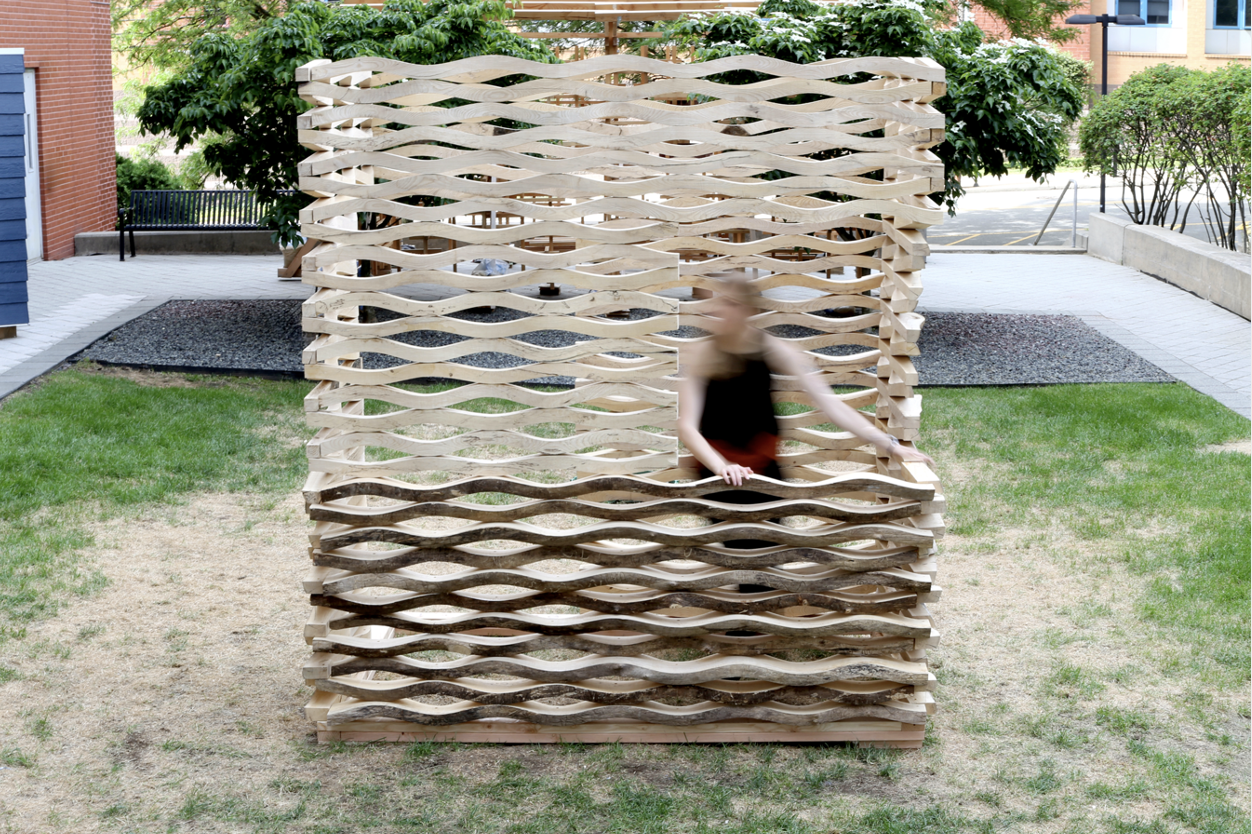
Grown Intelligence
Katie MacDonald & Kyle Schumann
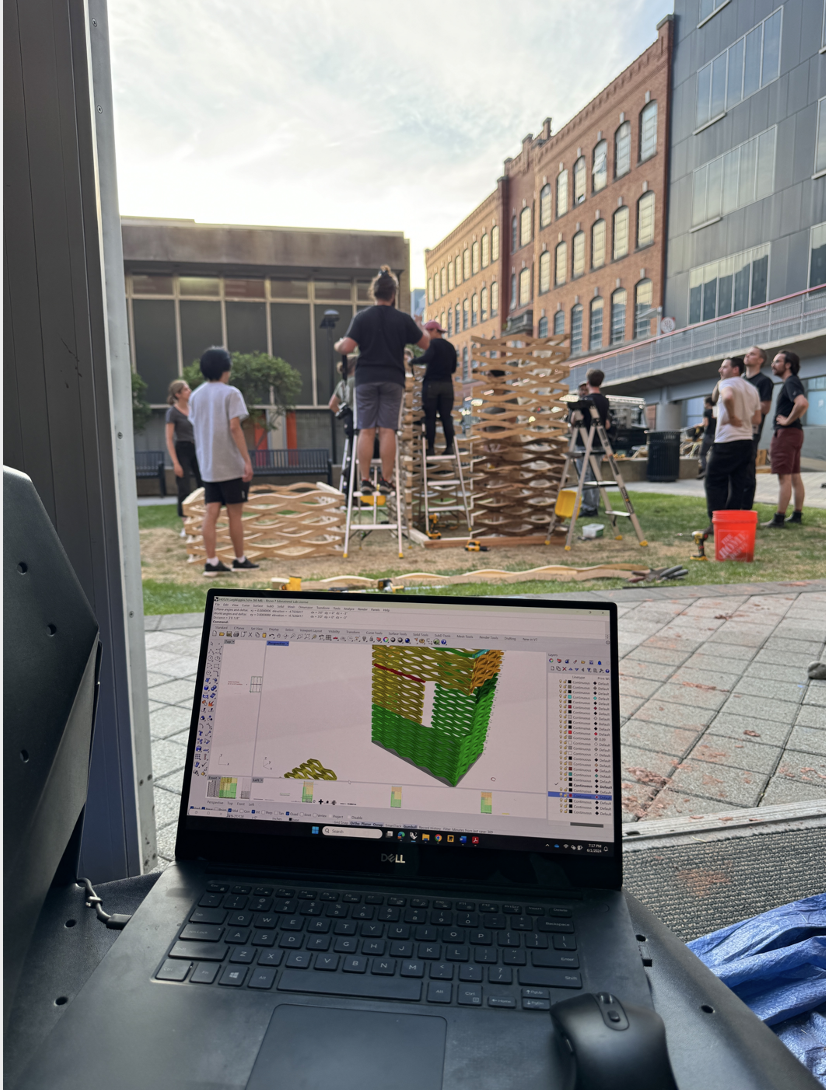
Drawing from pre-industrial wood construction techniques, land art practices, and conventional sawmilling methods to frame and introduce alternative approaches to building with curving and branching tree specimens.
02
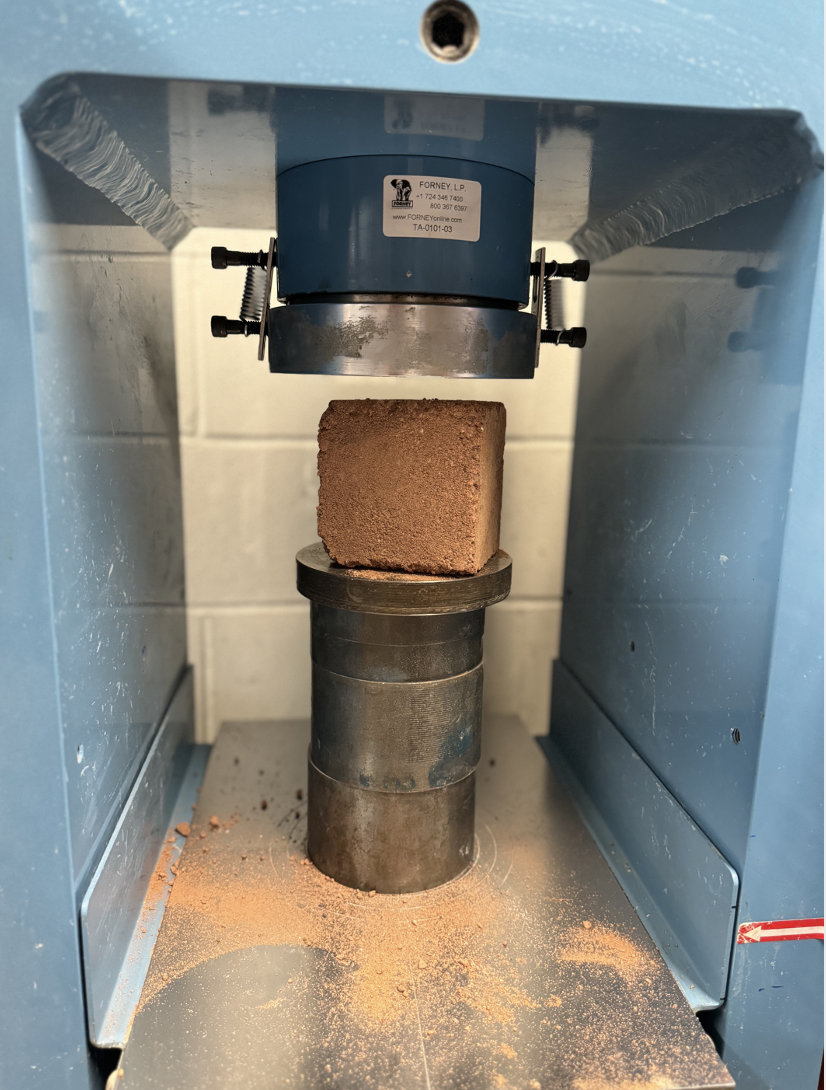
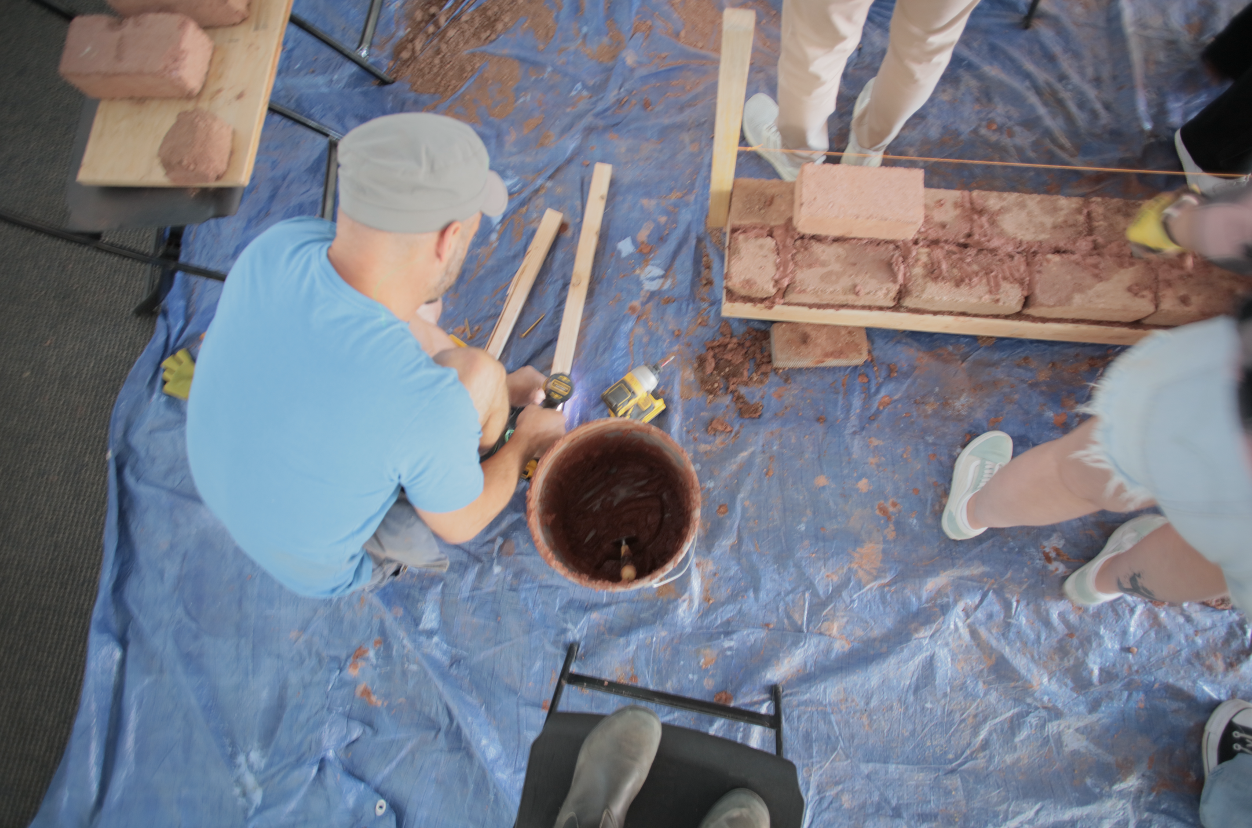
Unfired Local Soil
Compresses Earth Blocks
Johan Jönsson
Exploring the opportunity of building directly with the clay from beneath our own feet, Understanding compression, assembly, stability, and both fire and moisture resistance.
03
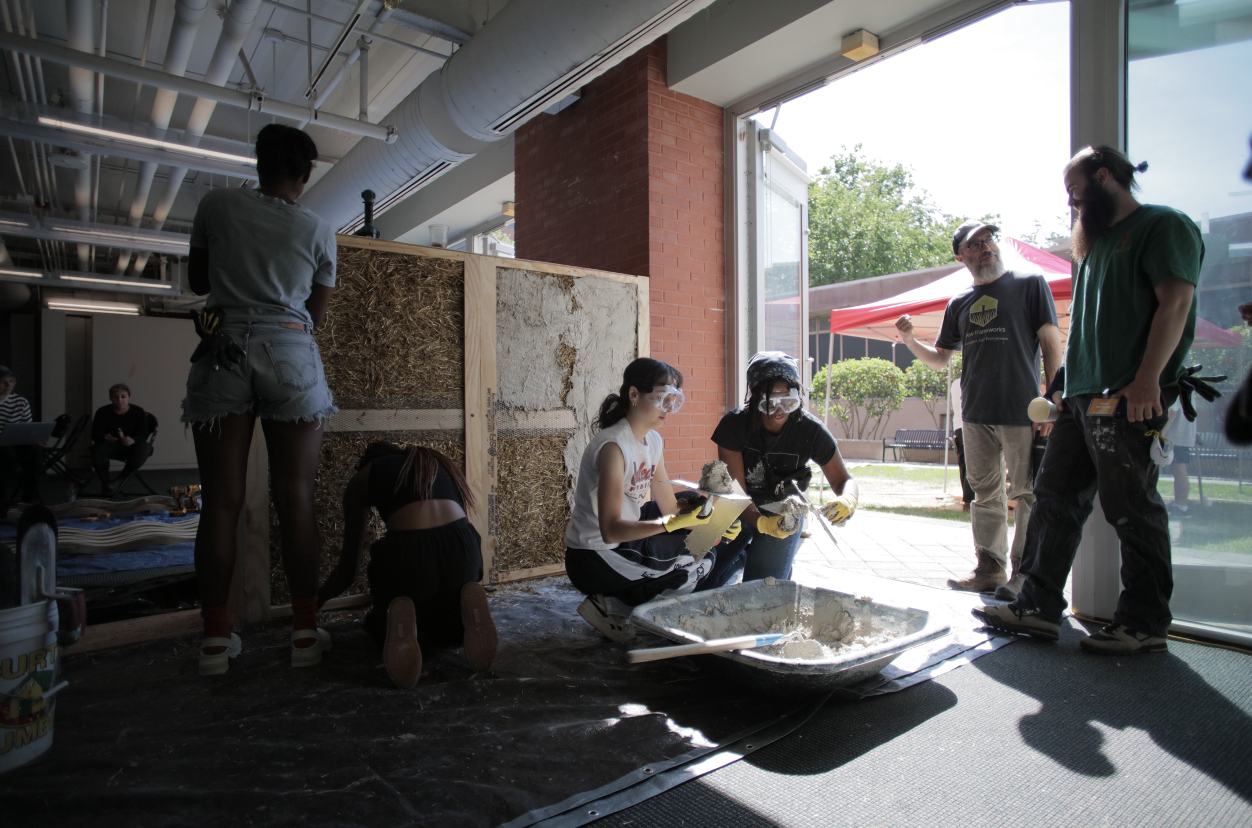
Structural Straw Panels
Field to Frame
New Frameworks
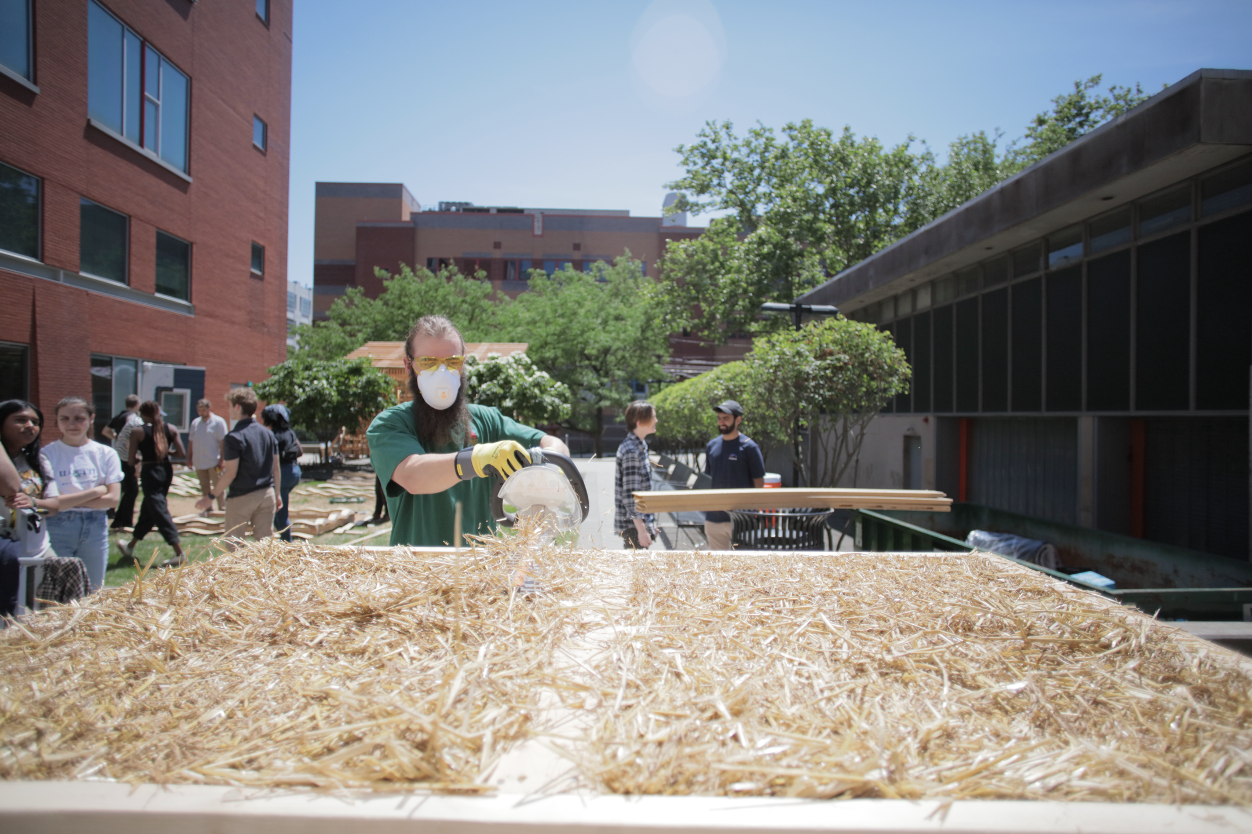
With bales of organic wheat straw participants learned how to frame, insulate, square, and finish a straw panel, using light-manufacturing process and basic equipment and tools, creating high performance construction using plant-based materials.
FutureView:
A movement linking vernacular knowledge with future-facing design.
Future View began as the Future View: Vernacular Technologies symposium (May 31–June 1, 2024). What started as two days of talks, workshops, and lively debate endeavors to be an ongoing network of practitioners, researchers, and students building low-carbon, culturally grounded futures.
Who we are
Future View is an independent, collaborative platform that connects architects, builders, engineers, craftspeople, scholars, and communities. We share methods, test ideas, and champion building cultures that are climate-positive, accessible, and rooted in place.
What we do
Research & Knowledge Sharing — Documenting and disseminating vernacular techniques, material science insights, and contemporary applications.
Practice Exchange — Field visits, demos, and peer learning across regions and traditions.
Education — Courses, public programs, and studio collaborations.
Projects & Prototypes — Real-world pilots that pair traditional knowledge with today’s tools.
Why vernacular now
Because proven local practices—materials, details, and social know-how—offer resilient and low-energy paths forward. We elevate what already works, then iterate with careful research rather than hype-driven “techno-fixes.”
Get involved
Join the network
Attend upcoming programs
Partner with us on research, teaching, or building
Future View: rooting innovation in lived knowledge—so buildings nourish people, culture, and planet.
Contact Us
Charlie Firestone and Carrie Bobo
A big thank you to FutureView’s sponsors and hosts
Please contact us hello (at) futureviewsymposium.com